
At Paras Bliss, our motto is to ensure that the mother and child have access to the best medical expertise and healthcare infrastructure accompanied by compassionate care. The Department of Obstetrics at Paras Bliss is unique in its composition, providing the mother, patient attendants and the neonates a holistic environment specialized for delivering your bundle of joy. Paras Bliss strongly supports normal deliveries and ensures that every medical decision is well informed. The obstetrics department consists of the best obstetricians in Delhi, Panchkula, Chandigarh, and Mohali who are adept in performing complex high-risk pregnancy deliveries, preterm and precious deliveries. Each center at Paras Bliss is well equipped with the state of the art infrastructure – LDR Suites, Proficient Maternity Care, specialized modular operation theaters and NICU facilities.
The obstetrics team at Paras Bliss has doctors of national and international repute to provide medical expertise in complicated and high-risk cases. They have numerous success stories and cherished deliveries to their credit. Equipped with modular operation theaters and proficient LDR suites, the experts ensure that the best medical care is delivered to make your new beginnings more blissful. Paras Bliss is equipped with advanced 4D Ultrasound, Fetal Medicine, Assisted Reproductive Medicine and state of the art Laboratory Medicine.
To deliver exceptional care, the department also has a team of experienced anesthetists for normal and caesarean deliveries. The pregnancy hospital is also equipped with 24 hours blood bank support.
A preterm delivery refers to a premature birth, or a birth that takes place more than three weeks before the original due date.
Risk Factors
The reasons behind a preterm delivery are not clear, but a number of factors may increase the risk of a preterm delivery. These are:
A previous premature birth, Twins, triplets or other multiples, A less than six month interval between pregnancies, Vitro fertilization, Uterus, cervix or placenta problems, Cigarettes or illicit drugs, Poor nutrition, Lack of enough weight gain during pregnancy, Infections, Chronic conditions like high blood pressure and diabetes, Underweight or overweight before the pregnancy, Stressful life events, Previous miscarriages or abortions, Trauma or injury
Symptoms
A preterm delivery gives the baby a little less time to develop in the womb, which may lead to complications further down the road. The cutting short of a baby’s gestation period can be seen in the following signs:
Small size and a disproportionately large head, Less rounded features due to a lack of fat stores, Fine hair covering most of the body, Low body temperature, Labored breathing, Respiratory distress, Lack of reflexes for sucking and swallowing
Complications
Not all preterm babies face complications, while some do.
Short-term
In the initial weeks, Breathing problems, Heart problems, Brain problems, Temperature control problems, Gastrointestinal problems, Blood problems, Metabolism problems, Immune system problems
Long-term
Issues that may develop later can include:
Cerebral palsy, Impaired cognitive skills, Vision problems, Hearing problems, Dental problems, Behavioral and psychological problems, Chronic health issues
There can be disorders or complications that crop up during pregnancies. Sometimes there are medical conditions which pose high risks to a pregnancy. Such conditions can either be pre-existing that is within the mother or can turn up during pregnancy. These risks can endanger the life of the mother or her child or both or lead to health problems in the baby.
Conditions leading to high risk pregnancies –
Certain disorders like nausea are common to all pregnancies but there are specific factors that can lead to high risk pregnancies.These factors are –
Health conditions –The existence of certain chronic health conditions can pose risk to pregnancy, like –
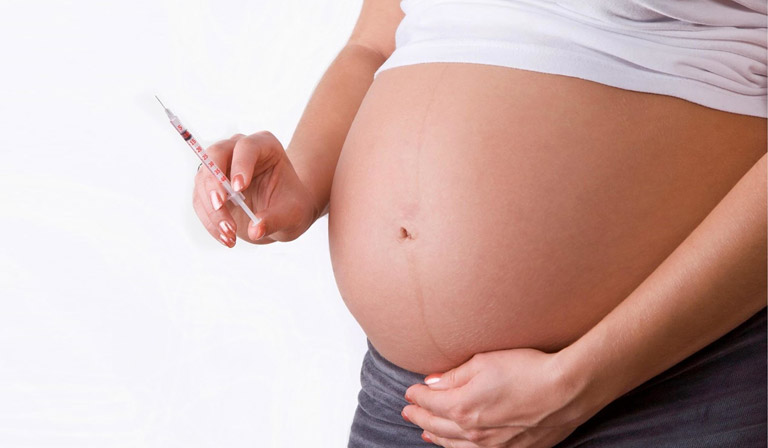
Diabetes – Increases the risk of miscarriage and birth defects, High blood pressure – Can cause preeclampsia, Auto immune disease– diseases like lupus can cause heart and kidney problems in both mother and baby, low birth weight, Thyroid – can lead to heart failure and birth defects in the fetus, Obesity–causes preeclampsia, gestational diabetes, HIV and/or AIDS – transmission of these ailments from mother to baby, Anemia– can causepreterm birth and can even get transmitted to the fetus
Lifestyle choices – Unhealthy lifestyle choices can increase complications during pregnancy. Some such habits to be avoided are –
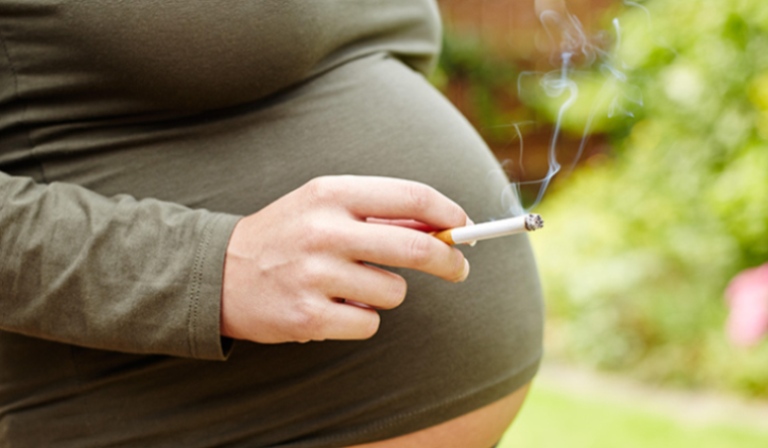
Smoking, Liquor intake, Drugs
Age- High risk pregnancy due to age factor can occur if the expectant woman is
Below 17 years of age – can develop high BP, anemia, Above 35 years of age – results in issues like prolonged labor, delivery complications
Conditions that occur during pregnancy –
Multiple pregnancies–Infants born could be premature or have health issues, Rh incompatibility–Destruction of the baby’s R.B.C.s
What can be done to resolve the issues?
Consulting a health care expert and taking proper diet, avoiding risk causing habits, and going for prenatal care can reduce or eliminate the risks.


Some studies have shown that the chemicals in the hair colouring products are proven harmful for the fetus, hence, its better to avoid hair dye and colouring during pregnancy, If you must colour then wait untill second trimester and follow the instructions properly.
Yes, flu vaccine is safe during pregnancy, but one must request for flu shots and not nasal spray. The flu shot for influenza is made from inactived virus and is safe to be administered at any time during pregnancy. If you are allergic to egg, you must tell your doctor because the flu vaccine contains small amount of egg protein. There is also a vaccine that doesn’t contain egg and approved for use in adults above 18.
No self medication is allowed in pregnancy especially in the first trimester. It’s always advisable to consult your doctor before taking even vitamins and simple medication for cough and cold. At times even the medication for pre-existing diseases needs to be re-evaluated and changed, ask your doctor even about herbal and homeopathy treatment you are taking because most of the herbal medicines have not been proven to be safe during pregnancy.
Travel with pregnancy is safest during second trimester but do consult with your Obstetrician regarding immunisation. If you have a high risk pregnancy, you will be advised accordingly. Place of travelling, modes of travelling, duration of the travel, all factors are to be considered and discussed.
Pregnancy is a normal physiological phenomena and our body is well equipped to deal and cope with the body changes and the demand of pregnancy. Nevertheless, one should not exert during pregnancy more than what one’s body is used to. You could continue with whatever exercise regiment you were doing prior to pregnancy but as soon as your body signals exertion, pain and discomfort, you should stop and you have to discusss it with your obstetrician as certain pregnancies require reduced exertion or bed rest.
The basic guide is the women’s comfort but if there is a history of miscarriage, pre-mature labour, STD and infection in any of the partners, multipe pregnancy – intercourse should be avoided; generally the obstetricians suggest limitation or avoidance for a period of time. During first trimester, due to nausea and vomiting and fatigue the desire to have sex reduces and it gets better by the time second trimester starts. It’s best to consult your Obstetrician regarding intercourse.
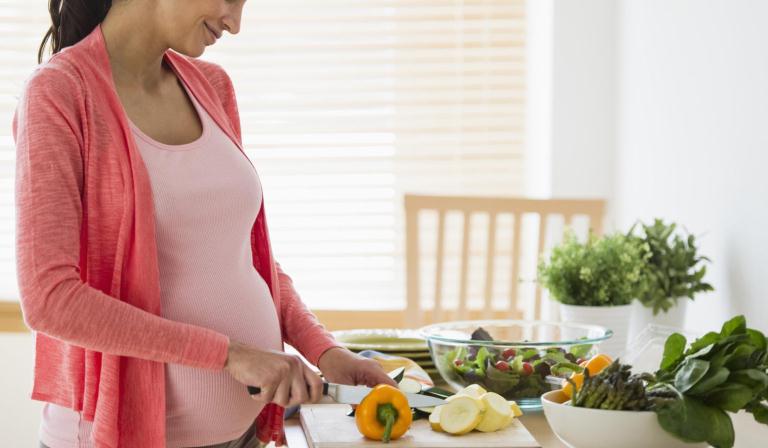
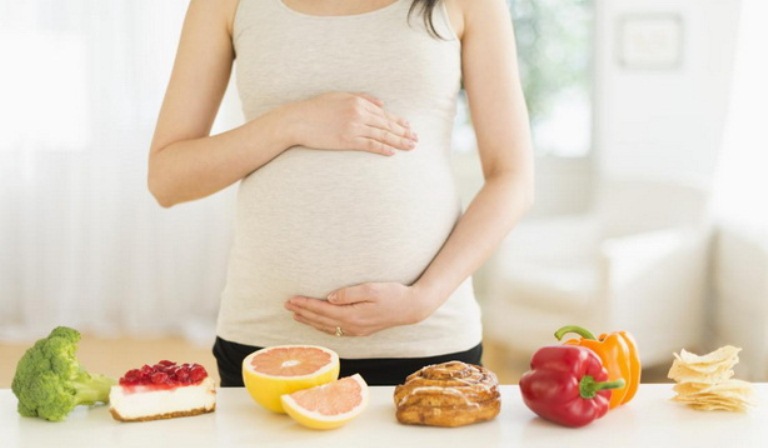
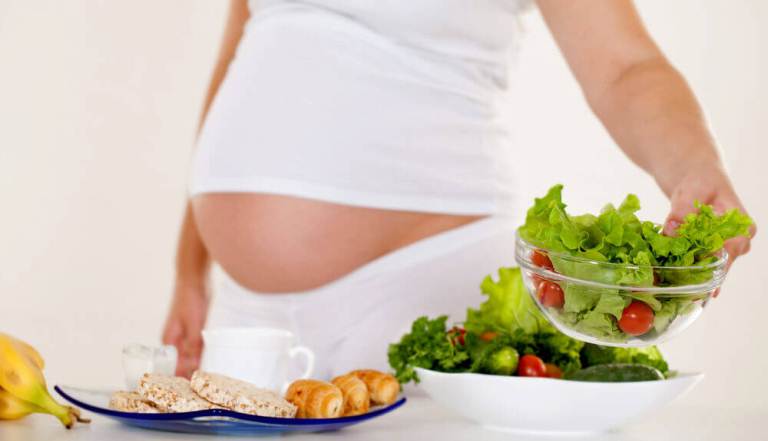
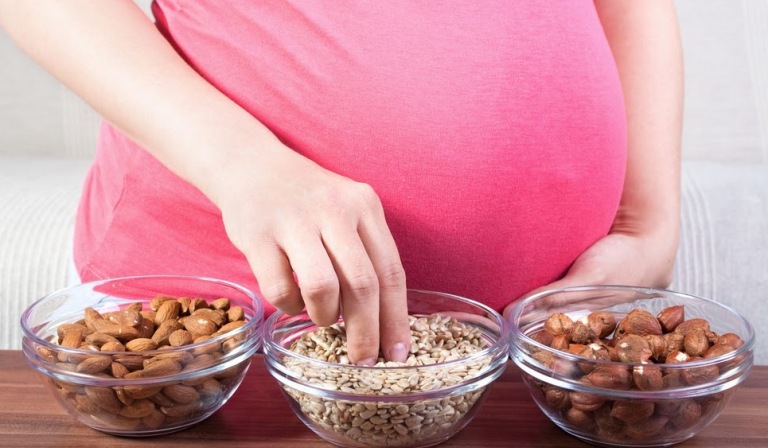
Avoid coffee, alcohol, coke, diet coke, raw eggs or half cooked egg, raw fish, smoked fish. Limit your fish intake especially in first trimester because high content of mercury in certain fish can harm the baby. Also avoid mouldy ripened, soft cheeses such as brie and camembert but cottage cheese mozzarella, feta, paneer, goat and ricotta are safe. Cold cuts like salami are not cooked and therefore should be avoided. Goes without saying that alcoholic beverages should be avoided! Spicy food and chillis in first trimester can exaggerate your morning sickness so best to avoid..
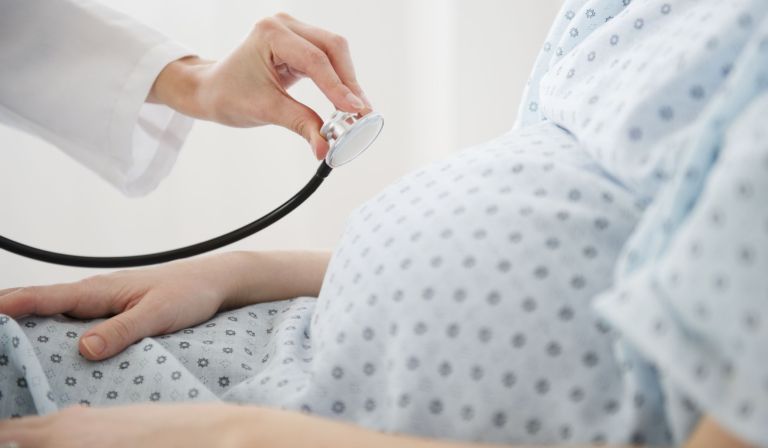
As soon as you suspect you are pregnant, schedule an appointment with a Gynaecologist/Obstetrician, but best would be to plan a pre-pregnancy counselling, so that screening tests are done for pre-existing medical conditions. If there is any pre-existing disease it’s dealt in advance. For example if there is high blood pressure, diabetes and blood disorder etc, adequate treatment is started.
Has excellent experience and home like stay. Very cooperative staff nurses. Everyone including doctors, sisters & housekeeping staff provides their precious services. Unforgettable moments of my life. Special thanks to Dr. Ruchi, Dr. Sonia, Kritika, Rekha, Pooja & Monica. Thanks for giving Gem of my life.
I am very impressed with all the facilities given by the hospital. All the doctors, nursing staff and housekeeping is also good. I would recommend this to my other family members.
Overall I am pleased with the services. Appreciate the efforts and dedication of overall staff. Would like to highlight certain names below for their exceptional services towards the patient, relatives and the infant.
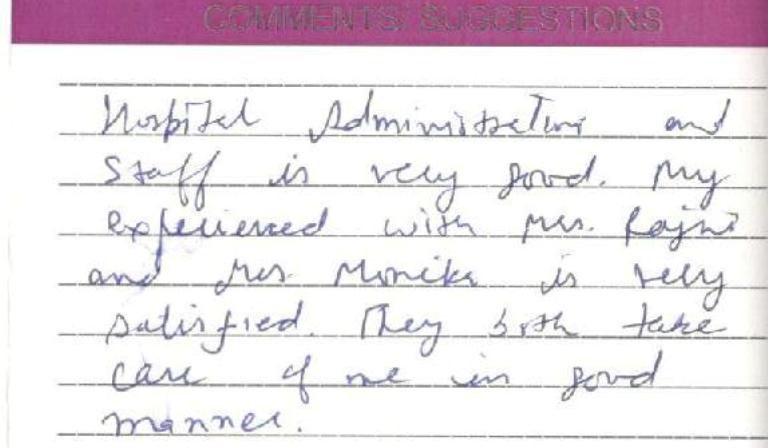
Hospital administrator and staff is very good. My experience with Miss Rajni and Ms. Monica is very satisfied. They both take care of me in good manner.
Nurses and staff is very co-operative and adjustable and caring. Doctors are very caring and concerned and track patients with all smiles. Overall experience is awesome and very good.
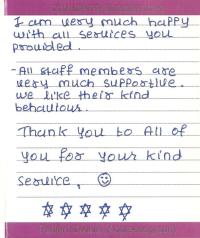
I am very much happy with all services you provided. All staff members are very much supportive. We like their kind behaviour. Thank you to all of you for your kind service.
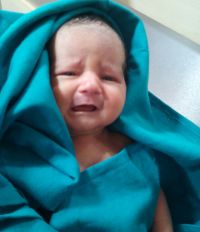
Just wanna say, big thanks to each and everyone, doctors and their staff. Brought my baby here in a worse condition, but they made us feel so comfortable and such a polite behavior. Treated the kid, like their own child. Thanks each and everyone.
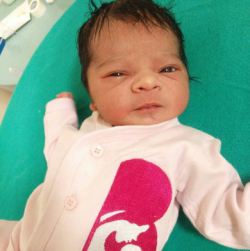
Over all experience in the hospital before, during and after delivery was great. Staff has cooperated very well. Right from nurses to housekeeping behaviour was great and they treated the mother and child like family. Last but not least infact above all “hat’s off to Dr. Shilva” and special thanks to Dr. Krishan and all doctors involved in the process.
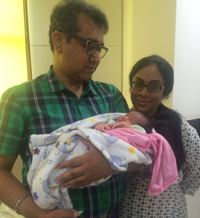
Dear Team Paras Bliss, We don’t have words to express our gratitude but thanks a ton for making one of the most precious moments of our lives so beautiful and memorable.
-Lots of love, Dr. Awnindra, Dr Beena and Omisha”
Dear Team Paras Bliss, Thank you for a blissful experience. God Bless.
-Inderjeet, Gaganpreet and Ranbir”
Thanks to Paras Bliss, Panchkula for giving us excellent services. Special Thanks to Dr. Shilva for special care and personal focus. At last Thanks to all nurses staff, housekeeping, canteen services persons and all who were involved directly or indirectly to support us.
Neat and clean hospital with satisfactory treatment for my patient and baby. I really appreciate team of doctors, anesthetists, support teams and other related people for tackling critical case of my wife. Highly recommended if you are looking for better and high quality services for your baby and wife.
Experience with everyone in the hospital was awesome. I want to convey my best wishes and thanks to everyone involved (Staff), for making it a lifetime experience. Having a baby itself is an experience for life but, the kind of support and care I got from hospital was exceptional!
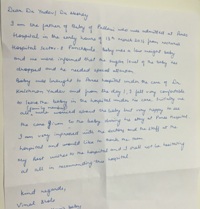
My baby was a low weight & needed special attention so baby was brought to Paras Bliss Hospital under the care of Dr. Krishan Yadav and from the day I felt comfortable to leave the baby in hospital under his care. Initially my family members worried about the baby but very happy to see the care given to baby during his stay at Paras Bliss Hospital.
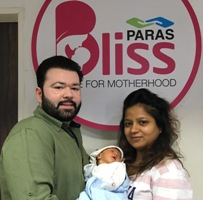
Hospital is clean and staff behaviour is excellent. Nursing staff is highly cooperative. Doctors , Hospital Facilities in the hospital are exceptional.
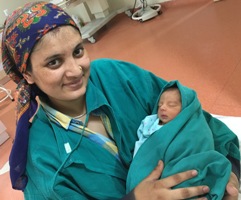
Facilities in the hospital are really good. The hospital had excellent cleanliness. We are grateful to the doctors and staff for the constant support and information given to us time to time. This hospital has fulfilled our expectations to the fullest.
“We are really happy with the care we have received. It was just a home away from home.”
Thank you PARAS for such an exceptional experience and genuine care!
I came here in an emergency. The hospital staff was quiet helpful. All the nurses especially Ms. Ritu, (OT nurse) helped me to settle down. Everything went fine. I am totally satisfied by the services. Glad I choose Paras Bliss. Thanks for the help and support.
We were fortunate to have our baby delivered at Paras Bliss, New Delhi. The entire process was seamless and we met with thorough professionals, who tend to us with utmost warmth and care. The staff went out of the way to make our stay comfortable. The staff was methodical in the approach and I wish them good luck for future.
Really nice & favourable environment in this wonderful institute. The best guidance was provided to me by the labour room staff. The training given during the antenatal class also proved to be of great help. Thanks to all.
My experience with Paras Bliss is fabulous. Everything is so perfect and excellent. The entire staff is so supportive. Doctors are really excellent here. I would like to recommend Paras Bliss to everyone.
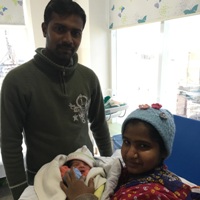
Paras Bliss made my journey of motherhood a joyful. I appreciate the care and concern showed by doctors and nurses. I really treasure the overall services that are provided by hospital that has made my experience wonderful.

We like the facility given by the Paras Bliss Hospital and I like all the staff so much but one of the best staff member who was very supporting and very hard working as per my point of view is Vandana as she is very caring lady.

Doctors and staff are very cooperative and helpful

Outstanding services and hospitality. Dr Manoj Sharma has given a very good medical reference and treatment . We are very satisfied with overall performance.