
Your baby’s eyes are not very sensitive to light in the first month of life. In fact, the amount of light required for a 1-month-old infant to be aware that light is present (called the light detection threshold) is 50 times higher than that of an adult. So, normal lights can be kept on during the day, but lights should be switched off at night to facilitate biological/circadian rhythm, which promote baby’s growth.
It is advised to consult the baby’s doctor/paediatrician before giving over the counter drugs to the baby as the doses of these drugs depend on the body weight, and hence cannot be generalized to all babies. Too small doses will be ineffective, and higher doses can cause harmful side effects, and possibility of drug toxicity. Most governing bodies in Paediatrics including American Academy of Paediatrics (AAP) advises against giving OTC cough and cold medicines which includes decongestants and cough suppressants to children younger than 6 years old.
Pneumonia is one of the leading causes of morbidity in both western world and developing countries including India. It kills one child every 15 seconds. Despite these sobering statistics, there is good news: solutions exist to prevent and treat pneumonia, and ultimately save young lives and significantly reduce the burden of families and society
Preventive strategies for pneumonia in children include:
Immunization:
Adequate nutrition: It’s a key to improve baby’s natural defences, Research studies suggest exclusive breastfeeding for the first 6 months of life is effective in preventing pneumonia and also reduces the duration of illness and hospital stay.
Healthy environment: Addressing indoor and outdoor air pollution and encouraging good hygiene in crowded places goes a long way in promoting health in general and pneumonia in particular.
Sudden infant death syndrome (SIDS), also known as cot death or crib death, is defined as the sudden death of an infant younger than 1 year of age that remains unexplained after a thorough case investigation, including performance of a complete autopsy, thorough examination of the death scene, and review of the infant’s and family’s clinical histories
Prevention: –
Your baby can travel soon after birth. Most airlines prefer babies to be at least two days old, but after that, it’s up to you. Young babies generally make good travellers if they feel cuddled and secure and are fed regularly. The movement and activity often helps them sleep, too! By three months, the baby is more likely to be ready to travel. If you are flying, a front carrier or baby sling is an ideal way to transport your baby. Being carried close to the mother or father will make baby feel safe.
Baby carriers also make travelling much easier on trains and buses. If your baby is very young, a travel system with a car seat that fits on to the push chair chassis may be the best option. In this situation, a lightweight, umbrella-folding pushchair is a useful alternative.
Infants especially newborns are susceptible to hearing damage from loud noises because their skulls are thinner. Exposure to excessive noise during pregnancy may result in high-frequency hearing loss in newborns, and may be associated with prematurity and intrauterine growth retardation. Loud noises can cause hearing loss by damaging parts of the inner ear; the area responsible for hearing.
Safe Levels: Safe levels can vary according to the duration of the exposure and the loudness level. Noises less than 80 decibels should not cause hearing damage. This is the equivalent to noise in a restaurant or in city street traffic. A normal conversation is about 60 decibels.
Follow-up is needed for most babies, with varied aims. Babies with an uneventful hospital stay have to be watched for jaundice 24-48 hours after discharge, if discharged within first 3 days of delivery.
Babies who have been sick due to any reason, will be followed up for assessment of their brain functions, hearing and visual assessment. Biggest risk factors among them are probably gestational age and birth weight. Such conditions include, but are not limited to prematurity, low birth weight, Asphyxia, shock, need for ventilation, infections, jaundice, heart diseases and congenital malformations.
Care of a normal baby at home is of utmost importance especially during first few weeks and includes:
Welcoming a newly born baby is so exciting! But there are some newborn etiquette which have to be ensured.
Kangaroo mother care (KMC) is a simple and safe method of caring for low birth weight babies. It includes early, prolonged and continuous skin- to -skin contact with the mother/father or any care giver and exclusive breast feeding. KMC is initiated in the hospital and continued at home as long as the baby needs and likes it. During KMC babies are held naked between the breasts of the mother (mimicking a kangaroo’s pouch) and should be covered with a blanket to avoid heat loss. KMC should be given for atleast 6-8 hours a day; gradually increased upto 24 hours a day. KMC benefits the baby with more stable sleep patterns, temperature stability, better weight gain, better maternal-baby bonding, along with reduction in early mortality and morbidity. Kangaroo care integrates the family into the neonatal intensive care team.
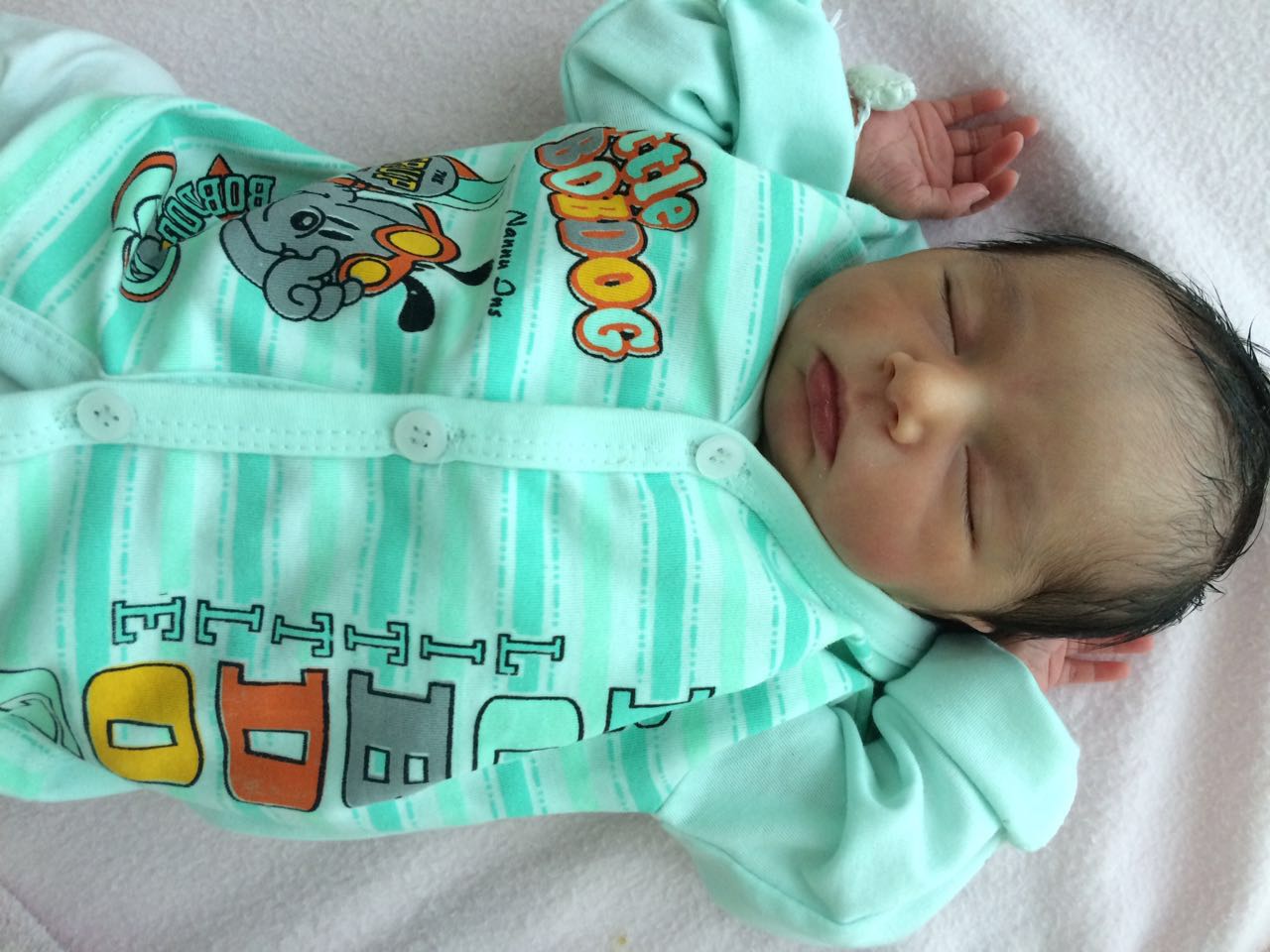
Has excellent experience and home like stay. Very cooperative staff nurses. Everyone including doctors, sisters & housekeeping staff provides their precious services. Unforgettable moments of my life. Special thanks to Dr. Ruchi, Dr. Sonia, Kritika, Rekha, Pooja & Monica. Thanks for giving Gem of my life.
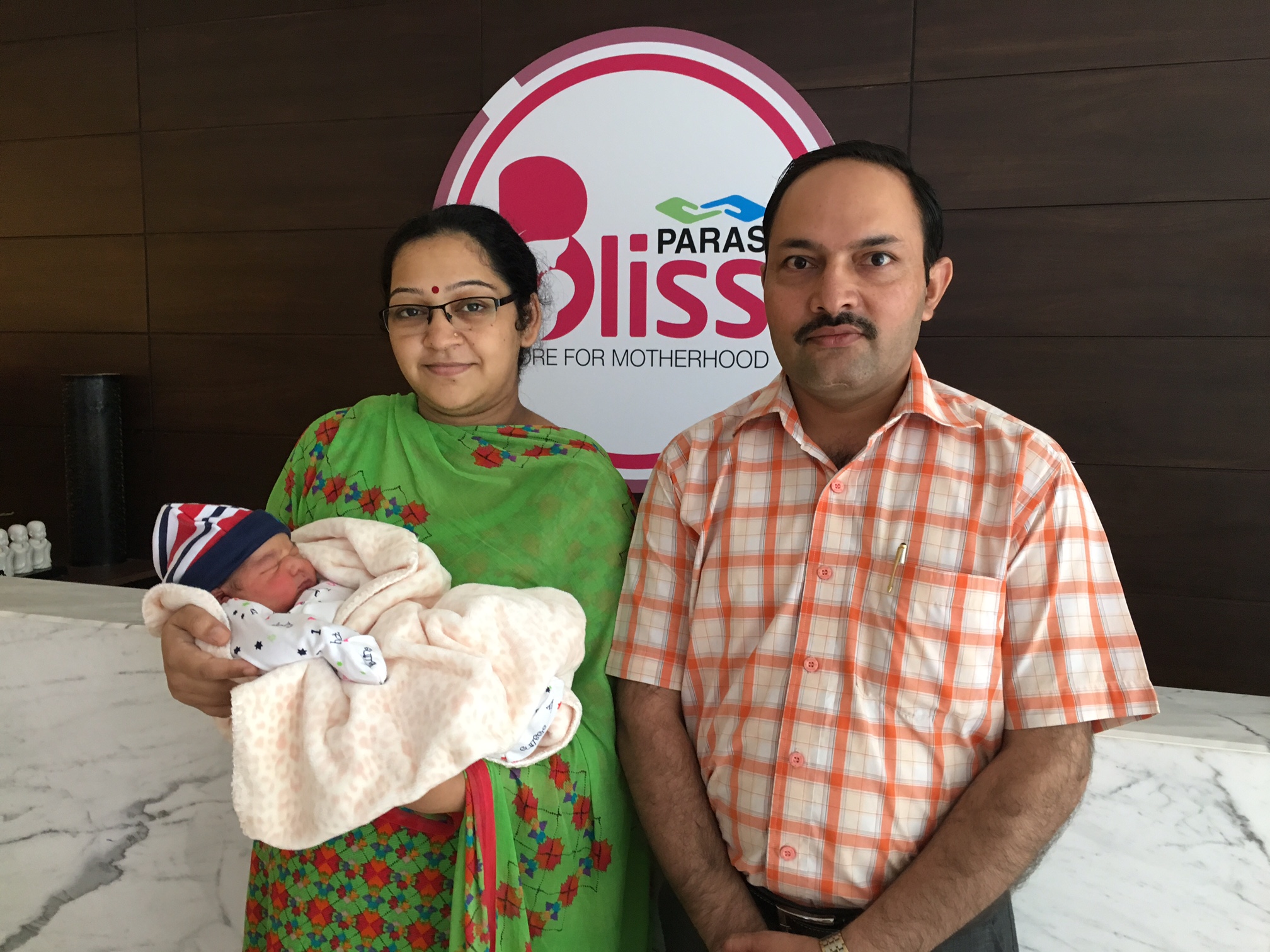
I am very impressed with all the facilities given by the hospital. All the doctors, nursing staff and housekeeping is also good. I would recommend this to my other family members.
Overall I am pleased with the services. Appreciate the efforts and dedication of overall staff. Would like to highlight certain names below for their exceptional services towards the patient, relatives and the infant.
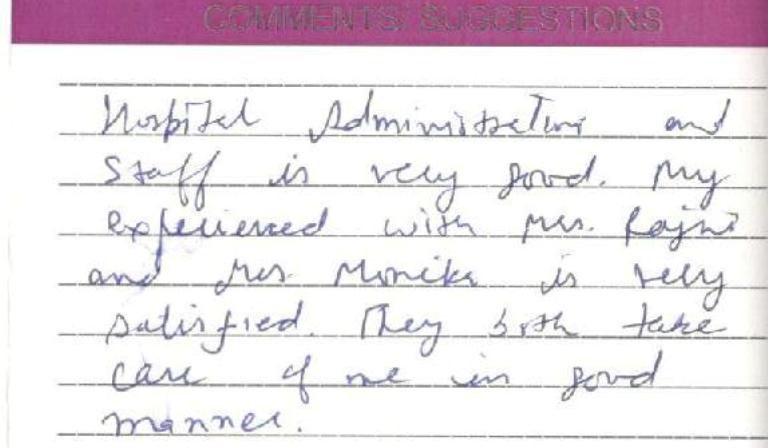
Hospital administrator and staff is very good. My experience with Miss Rajni and Ms. Monica is very satisfied. They both take care of me in good manner.
Nurses and staff is very co-operative and adjustable and caring. Doctors are very caring and concerned and track patients with all smiles. Overall experience is awesome and very good.
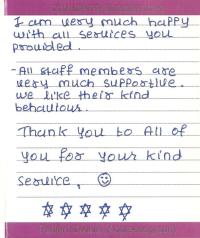
I am very much happy with all services you provided. All staff members are very much supportive. We like their kind behaviour. Thank you to all of you for your kind service.
Just wanna say, big thanks to each and everyone, doctors and their staff. Brought my baby here in a worse condition, but they made us feel so comfortable and such a polite behavior. Treated the kid, like their own child. Thanks each and everyone.
Over all experience in the hospital before, during and after delivery was great. Staff has cooperated very well. Right from nurses to housekeeping behaviour was great and they treated the mother and child like family. Last but not least infact above all “hat’s off to Dr. Shilva” and special thanks to Dr. Krishan and all doctors involved in the process.
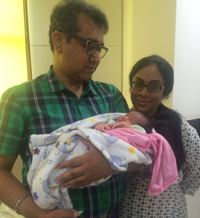
Dear Team Paras Bliss, We don’t have words to express our gratitude but thanks a ton for making one of the most precious moments of our lives so beautiful and memorable.
-Lots of love, Dr. Awnindra, Dr Beena and Omisha”
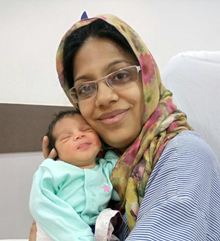
Dear Team Paras Bliss, Thank you for a blissful experience. God Bless.
-Inderjeet, Gaganpreet and Ranbir”
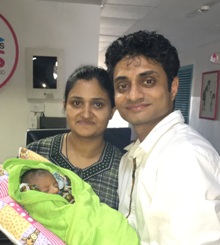
Thanks to Paras Bliss, Panchkula for giving us excellent services. Special Thanks to Dr. Shilva for special care and personal focus. At last Thanks to all nurses staff, housekeeping, canteen services persons and all who were involved directly or indirectly to support us.
Neat and clean hospital with satisfactory treatment for my patient and baby. I really appreciate team of doctors, anesthetists, support teams and other related people for tackling critical case of my wife. Highly recommended if you are looking for better and high quality services for your baby and wife.
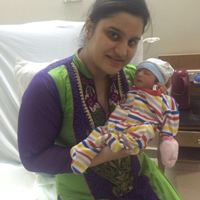
Experience with everyone in the hospital was awesome. I want to convey my best wishes and thanks to everyone involved (Staff), for making it a lifetime experience. Having a baby itself is an experience for life but, the kind of support and care I got from hospital was exceptional!
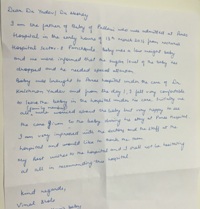
My baby was a low weight & needed special attention so baby was brought to Paras Bliss Hospital under the care of Dr. Krishan Yadav and from the day I felt comfortable to leave the baby in hospital under his care. Initially my family members worried about the baby but very happy to see the care given to baby during his stay at Paras Bliss Hospital.
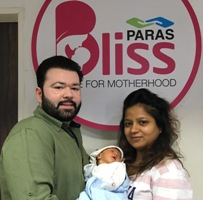
Hospital is clean and staff behaviour is excellent. Nursing staff is highly cooperative. Doctors , Hospital Facilities in the hospital are exceptional.
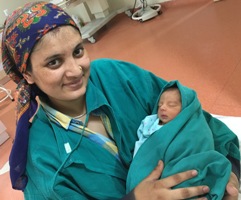
Facilities in the hospital are really good. The hospital had excellent cleanliness. We are grateful to the doctors and staff for the constant support and information given to us time to time. This hospital has fulfilled our expectations to the fullest.
“We are really happy with the care we have received. It was just a home away from home.”
Thank you PARAS for such an exceptional experience and genuine care!
I came here in an emergency. The hospital staff was quiet helpful. All the nurses especially Ms. Ritu, (OT nurse) helped me to settle down. Everything went fine. I am totally satisfied by the services. Glad I choose Paras Bliss. Thanks for the help and support.
We were fortunate to have our baby delivered at Paras Bliss, New Delhi. The entire process was seamless and we met with thorough professionals, who tend to us with utmost warmth and care. The staff went out of the way to make our stay comfortable. The staff was methodical in the approach and I wish them good luck for future.
Really nice & favourable environment in this wonderful institute. The best guidance was provided to me by the labour room staff. The training given during the antenatal class also proved to be of great help. Thanks to all.
My experience with Paras Bliss is fabulous. Everything is so perfect and excellent. The entire staff is so supportive. Doctors are really excellent here. I would like to recommend Paras Bliss to everyone.
Paras Bliss made my journey of motherhood a joyful. I appreciate the care and concern showed by doctors and nurses. I really treasure the overall services that are provided by hospital that has made my experience wonderful.

We like the facility given by the Paras Bliss Hospital and I like all the staff so much but one of the best staff member who was very supporting and very hard working as per my point of view is Vandana as she is very caring lady.

Doctors and staff are very cooperative and helpful

Outstanding services and hospitality. Dr Manoj Sharma has given a very good medical reference and treatment . We are very satisfied with overall performance.