
Alcohol is very harmful for women specially in pregnancy and lactation as it will affect the baby. Women are never advised to drink alcohol regularly because their bodies don’t process alcohol as efficiently as it should and this effects their body at a higher rate than men’s.
Approximately 90% of cases of lung cancer are caused by smoking or exposure to tobacco smoke. In women tobacco is very harmful during pregnancy and lactation as the same will affect the baby. Otherwise, tobacco is as harmful in women as well as for men.
Adolescents are at more risk of STI/HIV, because they are not aware of these infections and hence do not take precaution. Good sex education in school is required to make them aware of these diseases and also explain to them precautionary measures will help decrease this incidence.
Yes long term use of oral contraceptives pills affects future fertility. If you are planning for a baby, then it should be stopped at least three month before. If you are not planning a baby, it can be taken as long as you want contraception.
Yes a women hygiene wash is very useful once or twice a week or even daily if it suits . it cleans the vaginal discharge stuck to outer perineum and also give good odour. It helps maintain the PH level of the area. During the menstrual cycle, a women feels uncomfortable with hygiene and these washes help give her the confidence she deserves.
Yes it is safe to use cotton rolls as pads but it is preferred that it should be a sterile cotton roll and sterile gauze should be wrapped around cotton. Readymade sanitary pads are best but occasionally some people are allergic to them. It is advised that you change your pad/cotton roll after every 4 hours. Do not reuse them again.
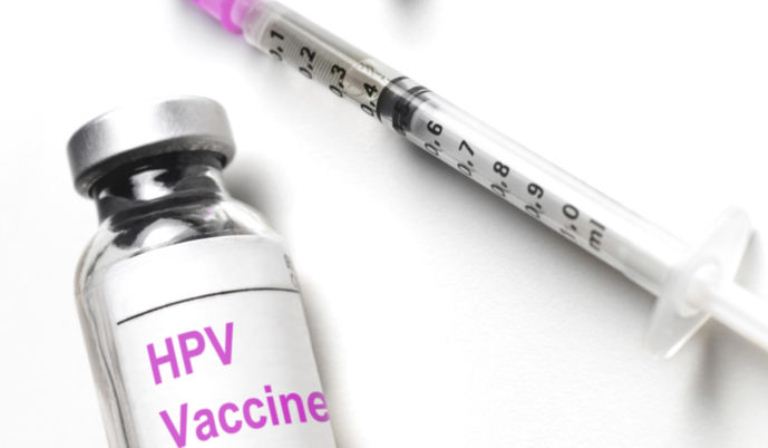
Cervical cancer vaccine is recommended to women before they start their sexual activity. Women can opt for the vaccination before their marriage. Infact, as per the guidelines you can vaccinate your daughter when she is 12 years old. There are a number of vaccines available in the market – Broad/Narrow spectrum that covers a no of HPV strains. There are few that cover men for genital warts too. Consult your gynecologist for more details.
Yes it is very safe to have meftal spas twice or thrice a day every month depending on the pain and discomfort during that period. However, it is advised that you should consult a Gynecologist if the pain persists for long, post cycles or is unbearable. Do not self medicate and to avoid any complication, it is best that you refer a specialist.
Menstrual cramps, pain and discomfort are normal for all girls just before periods which gradually subside when good flow starts. She can take a warm bath, do regular physical exercise, regular yoga and take vitamin tablets. Eating light and nutritious meals will be helpful. For anti spasmodic tabs, it is advised that you consult to a gynecologist first.
Menstrual Hygiene is very important:
Puberty in female child is with onset of menstrual cycle. All girls after the age of 10 should be aware of this change in their body and they should be mentally prepared every month to handle the issues associated with menstrual cycle. Every girl should be counseled on the cycle of womanhood and how menstruation is an integral part of the same. They should be made confident of the fact that this is a natural process and not a disease. Every child should be explained the hygiene aspects associated. Emphasis should be laid on the changing body shape, voice and other secondary features. Make your daughter feel confident and let her welcome womanhood.
As a parent, there’s lot you can do to help your child reach a healthier weight. One of the most powerful ways to encourage your child is to be active and eat well. All children need about 60 minutes of physical activity a day for good health, but it doesn’t need to be all at once. Split them into several short 10-minute or even five-minute bursts of activity throughout the day. Ban “sweetened” drinks from the home – persuade your children to drink water instead. Make sure the whole family eats breakfast every day. Drag the kids away from the TV, computer and games console, and instead get active as a family by walking, cycling, going to the park, playground or swimming together. Prepare more meals at home. Avoid over-sized portions. Start meals with small servings and let your child ask for more if they’re still hungry. Avoid giving adult-sized plates to younger children – it can encourage them to eat too much.
If your child is underweight, it’s important that your child gains weight in a healthy way, and this means eating a balanced diet which is three meals a day and healthy snacks. To help your child gain weight, increase their portion sizes at mealtimes, especially for starchy foods such as bread, rice, pasta and potatoes. If your child isn’t consuming enough calories, you can boost their daily intake by providing healthier snacks, such as dried fruits, small sandwiches with cheese or eggs, bananas, etc. Even if your child is underweight, it’s still important that they’re physically active. Physical activity helps them develop strong, healthy bones and muscles. Keep regular records of your child’s height and weight. Once your child has reached a healthy weight, their diet may need adjusting so that they don’t become overweight.
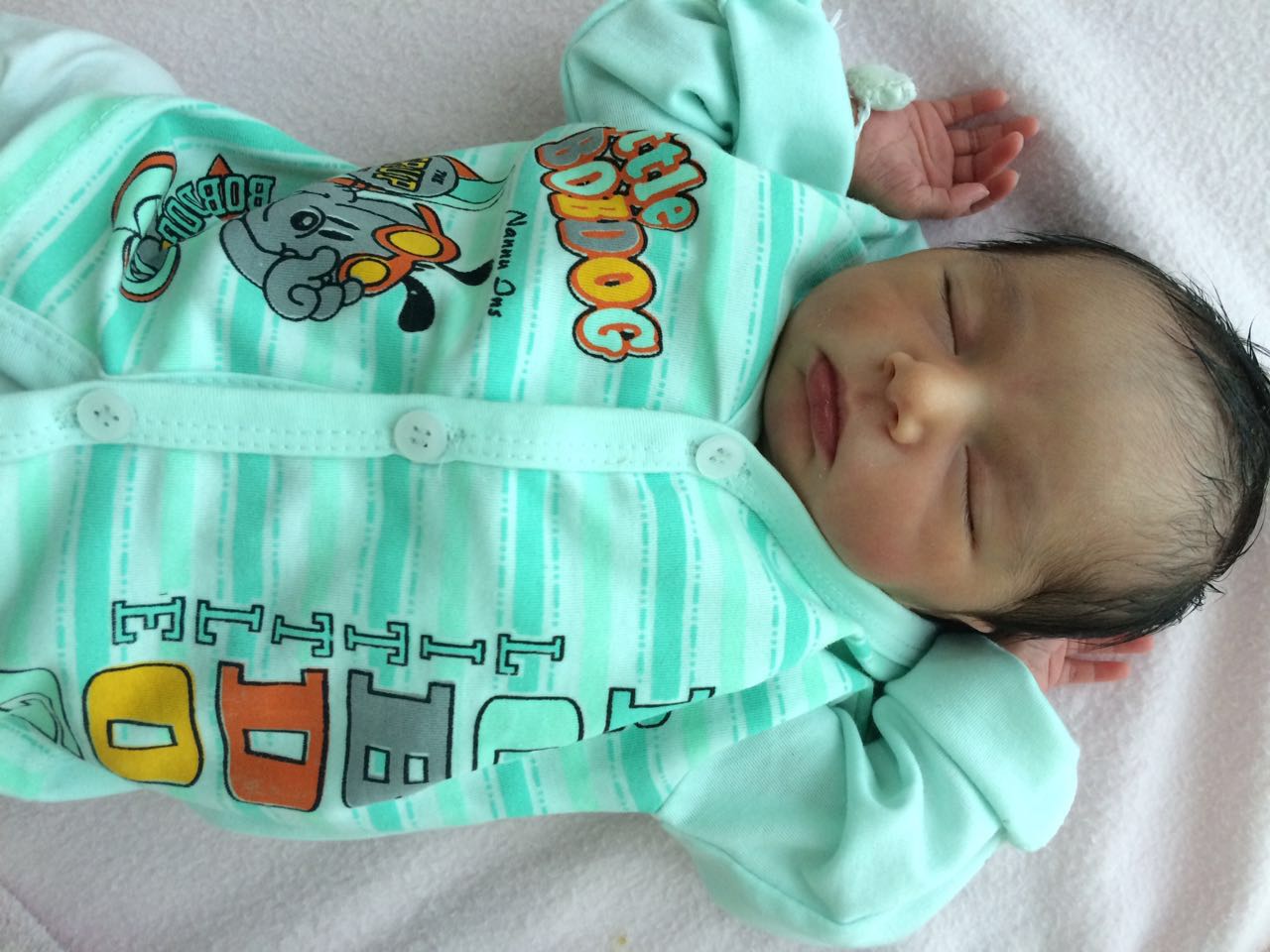
Has excellent experience and home like stay. Very cooperative staff nurses. Everyone including doctors, sisters & housekeeping staff provides their precious services. Unforgettable moments of my life. Special thanks to Dr. Ruchi, Dr. Sonia, Kritika, Rekha, Pooja & Monica. Thanks for giving Gem of my life.
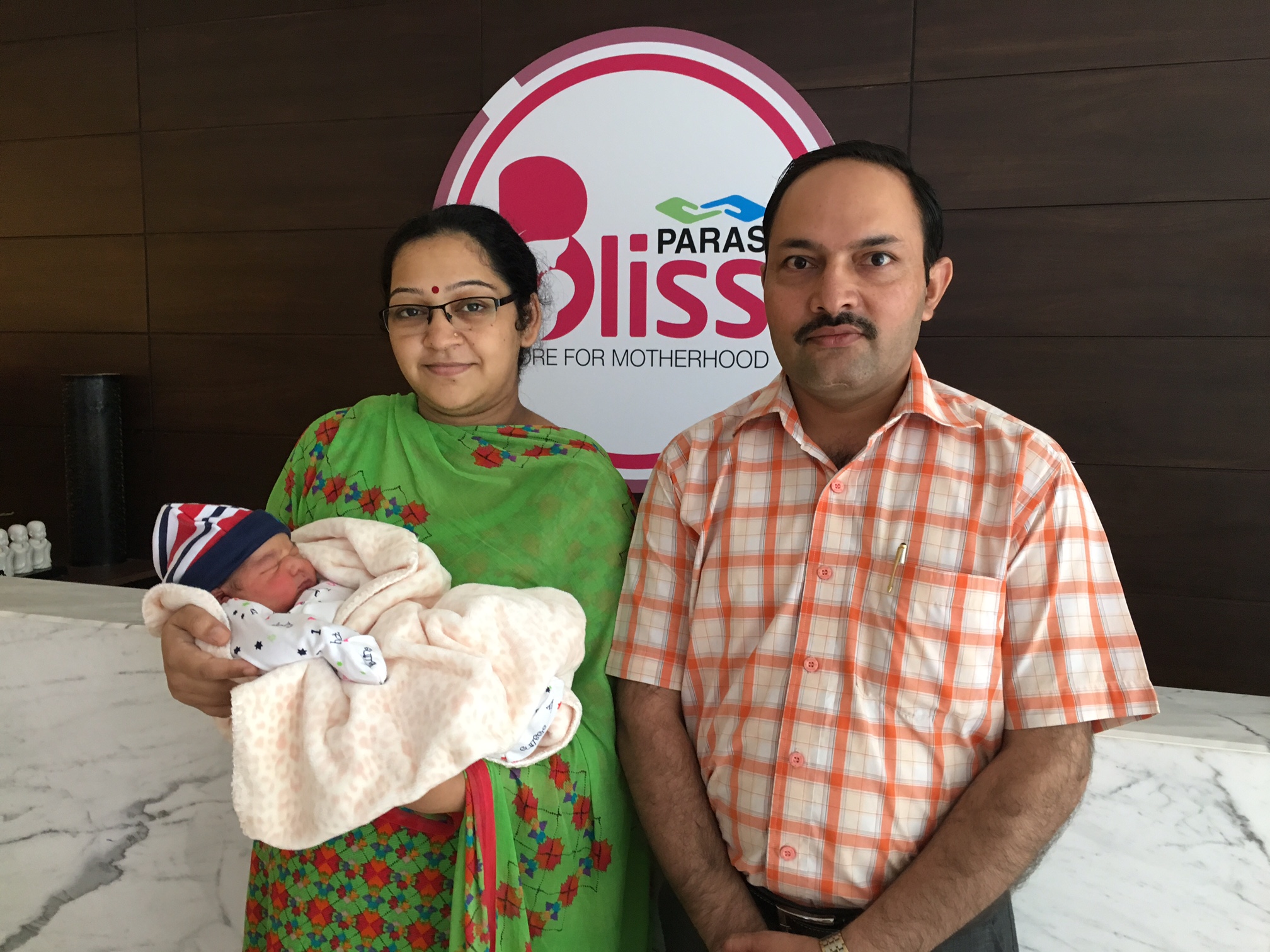
I am very impressed with all the facilities given by the hospital. All the doctors, nursing staff and housekeeping is also good. I would recommend this to my other family members.
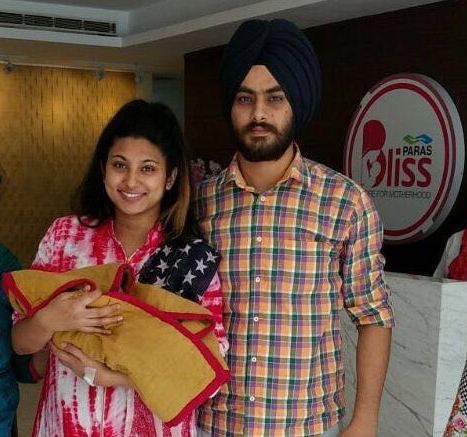
Overall I am pleased with the services. Appreciate the efforts and dedication of overall staff. Would like to highlight certain names below for their exceptional services towards the patient, relatives and the infant.
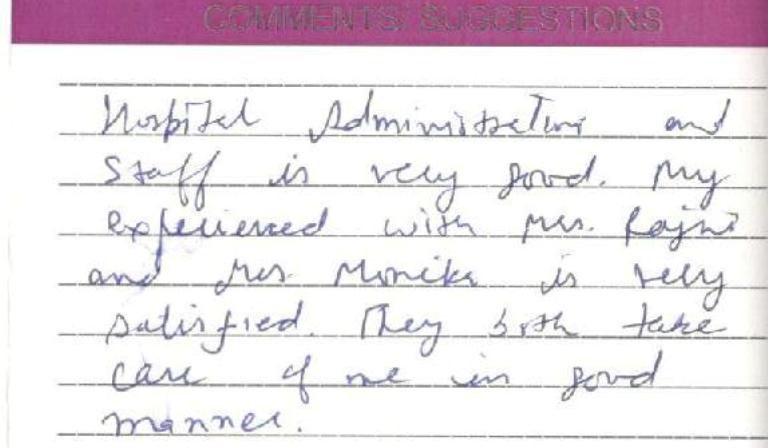
Hospital administrator and staff is very good. My experience with Miss Rajni and Ms. Monica is very satisfied. They both take care of me in good manner.
Nurses and staff is very co-operative and adjustable and caring. Doctors are very caring and concerned and track patients with all smiles. Overall experience is awesome and very good.
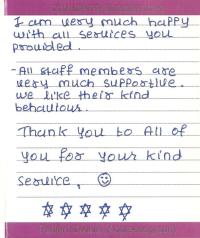
I am very much happy with all services you provided. All staff members are very much supportive. We like their kind behaviour. Thank you to all of you for your kind service.
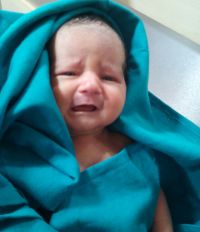
Just wanna say, big thanks to each and everyone, doctors and their staff. Brought my baby here in a worse condition, but they made us feel so comfortable and such a polite behavior. Treated the kid, like their own child. Thanks each and everyone.
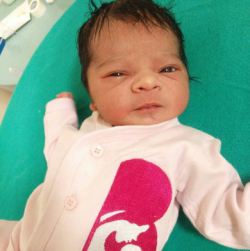
Over all experience in the hospital before, during and after delivery was great. Staff has cooperated very well. Right from nurses to housekeeping behaviour was great and they treated the mother and child like family. Last but not least infact above all “hat’s off to Dr. Shilva” and special thanks to Dr. Krishan and all doctors involved in the process.
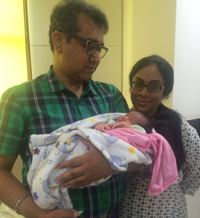
Dear Team Paras Bliss, We don’t have words to express our gratitude but thanks a ton for making one of the most precious moments of our lives so beautiful and memorable.
-Lots of love, Dr. Awnindra, Dr Beena and Omisha”
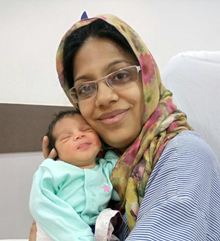
Dear Team Paras Bliss, Thank you for a blissful experience. God Bless.
-Inderjeet, Gaganpreet and Ranbir”
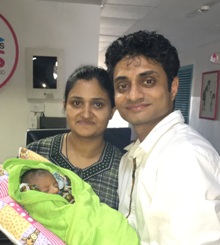
Thanks to Paras Bliss, Panchkula for giving us excellent services. Special Thanks to Dr. Shilva for special care and personal focus. At last Thanks to all nurses staff, housekeeping, canteen services persons and all who were involved directly or indirectly to support us.
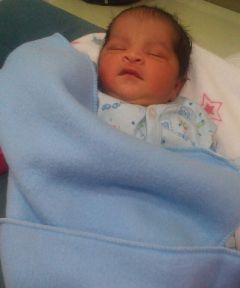
Neat and clean hospital with satisfactory treatment for my patient and baby. I really appreciate team of doctors, anesthetists, support teams and other related people for tackling critical case of my wife. Highly recommended if you are looking for better and high quality services for your baby and wife.
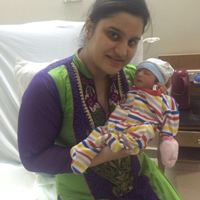
Experience with everyone in the hospital was awesome. I want to convey my best wishes and thanks to everyone involved (Staff), for making it a lifetime experience. Having a baby itself is an experience for life but, the kind of support and care I got from hospital was exceptional!
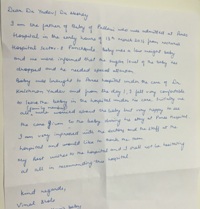
My baby was a low weight & needed special attention so baby was brought to Paras Bliss Hospital under the care of Dr. Krishan Yadav and from the day I felt comfortable to leave the baby in hospital under his care. Initially my family members worried about the baby but very happy to see the care given to baby during his stay at Paras Bliss Hospital.
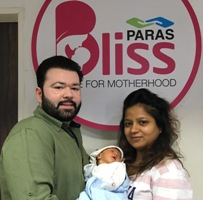
Hospital is clean and staff behaviour is excellent. Nursing staff is highly cooperative. Doctors , Hospital Facilities in the hospital are exceptional.
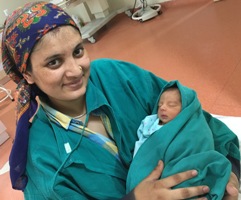
Facilities in the hospital are really good. The hospital had excellent cleanliness. We are grateful to the doctors and staff for the constant support and information given to us time to time. This hospital has fulfilled our expectations to the fullest.
“We are really happy with the care we have received. It was just a home away from home.”
Thank you PARAS for such an exceptional experience and genuine care!
I came here in an emergency. The hospital staff was quiet helpful. All the nurses especially Ms. Ritu, (OT nurse) helped me to settle down. Everything went fine. I am totally satisfied by the services. Glad I choose Paras Bliss. Thanks for the help and support.
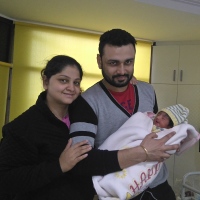
We were fortunate to have our baby delivered at Paras Bliss, New Delhi. The entire process was seamless and we met with thorough professionals, who tend to us with utmost warmth and care. The staff went out of the way to make our stay comfortable. The staff was methodical in the approach and I wish them good luck for future.
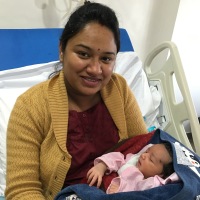
Really nice & favourable environment in this wonderful institute. The best guidance was provided to me by the labour room staff. The training given during the antenatal class also proved to be of great help. Thanks to all.
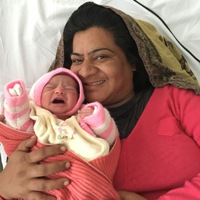
My experience with Paras Bliss is fabulous. Everything is so perfect and excellent. The entire staff is so supportive. Doctors are really excellent here. I would like to recommend Paras Bliss to everyone.
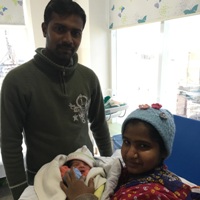
Paras Bliss made my journey of motherhood a joyful. I appreciate the care and concern showed by doctors and nurses. I really treasure the overall services that are provided by hospital that has made my experience wonderful.

We like the facility given by the Paras Bliss Hospital and I like all the staff so much but one of the best staff member who was very supporting and very hard working as per my point of view is Vandana as she is very caring lady.

Doctors and staff are very cooperative and helpful

Outstanding services and hospitality. Dr Manoj Sharma has given a very good medical reference and treatment . We are very satisfied with overall performance.