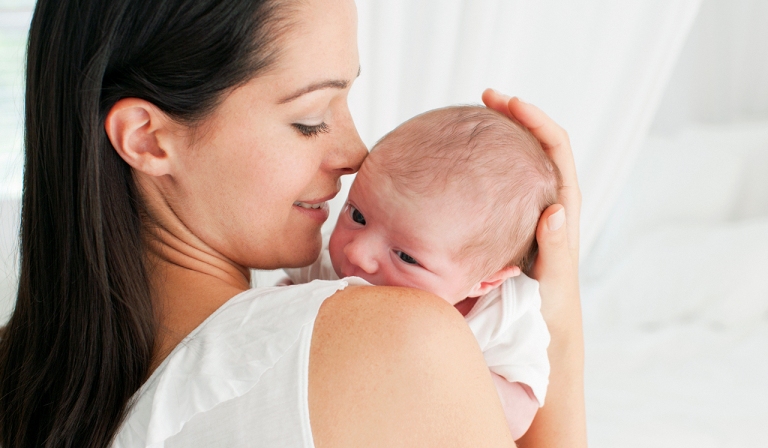

Paras Bliss provides comprehensive care even after you have delivered your bundle of joy. We believe in building trust and hence through our various informative programs assist you in ensuring that your growing child is healthy always. Our team of experienced pediatricians and neonatologists provide the best guidance and medical expertise to provide your budding stars compassionate care. The doctors along with medical acumen provide counselling on immunizations, growth planning and infection control for your child.
At Paras Bliss we understand the tenderness that the newborn and children require. To make them welcome and at ease, the hospital OPD has a special play area – The Blissful Arena – which is full of toys and baby friendly goodies. The hospital IPD rooms are also youthful and vibrant, making sure that every child feels free and comfortable.
Paras Bliss has well developed pediatric clinical protocols to provide care of international standards to your child. The medical experts give support to address a complete range of issues – de-worming, asthma, common cold and cough, food allergies and skin infections. We are also well equipped to provide specialized care to address cardiology, ENT and gastrointestinal issues.
Paras Bliss also has a team of reputed doctors of international repute in pediatric surgery, who are adept to handle both major and minor complications. The team is well supported by the state of the art modular operation theaters.
Along with curative aspects, Paras Bliss, Department of Pediatrics, also stresses on prevention. The department is supported by experienced dietitians and nutritionists that provide personalized and customized diet plans to optimize the growth and development of each child. The Department of Pediatrics is also supported by a team of child psychologists that are able to address issues ranging from Attention Deficit Disorder and Hyperactivity.
Most importantly, the Department of Pediatrics at Paras Bliss stresses on immunizations and has a well developed post natal care program to assist you in following the plan. Guidance and counselling is also provided to understand the importance and the adherence of immunizations.
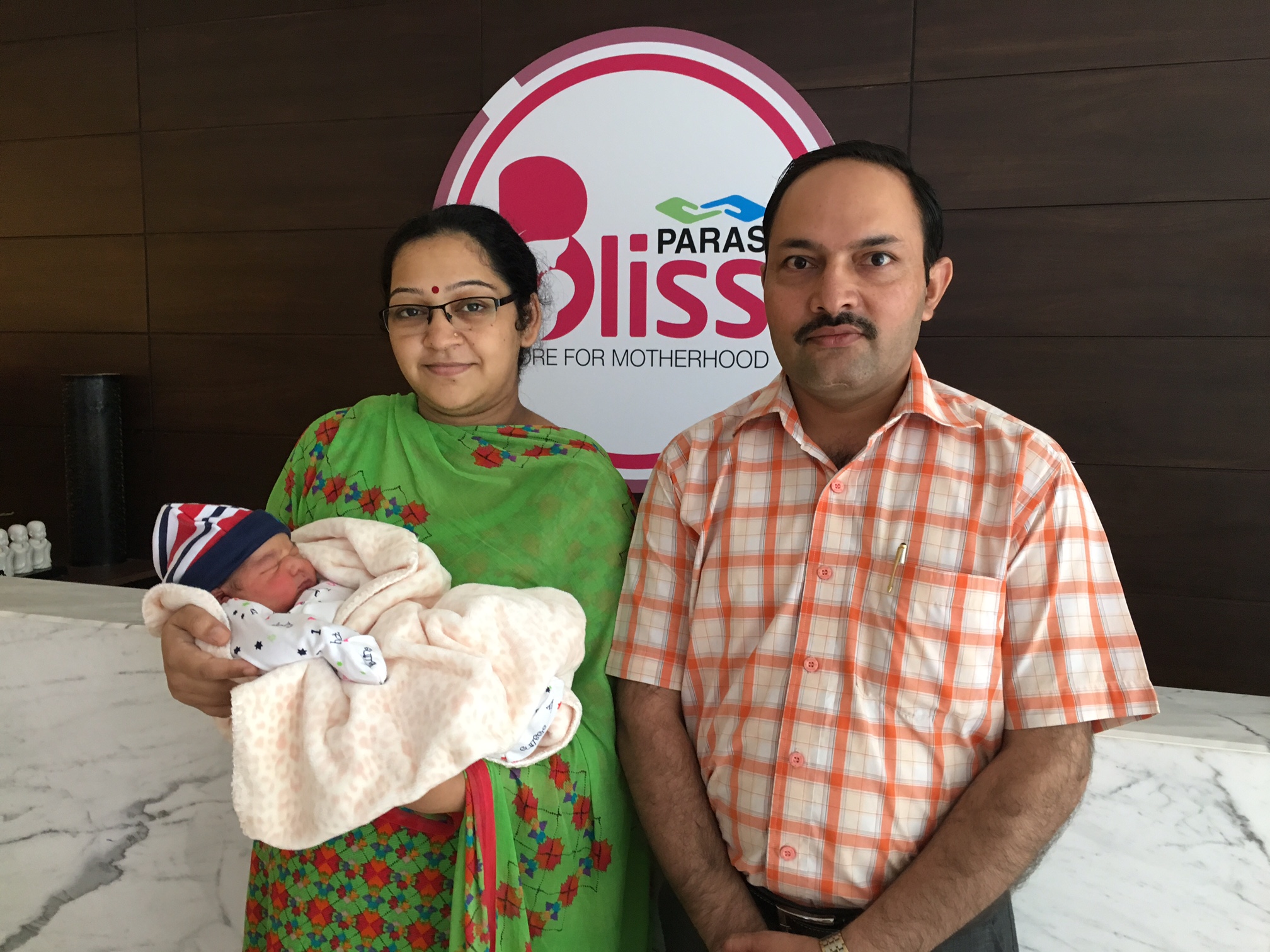

I am very impressed with all the facilities given by the hospital. All the doctors, nursing staff and housekeeping is also good. I would recommend this to my other family members.


Your hospital is very nice and doctors are careful. Sisters are very punctual and treat patients as in family atmosphere. I am very much satisfied with the services of this hospital.
Attendants are very nice and polite. Overall great experience. Thanks for the care.

My Overall experience is nice in Paras. Good Ambience and good treatment. Yes! I will recommend Paras
Outstanding services and hospitality. Dr Manoj Sharma has given a very good medical reference and treatment . We are very satisfied with overall performance.
Doctors and staff are very cooperative and helpful.
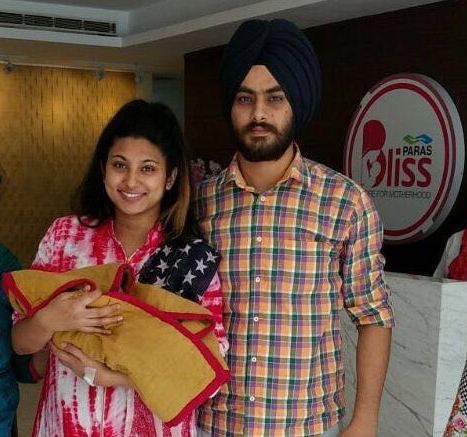
Overall I am pleased with the services. Appreciate the efforts and dedication of overall staff. Would like to highlight certain names below for their exceptional services towards the patient, relatives and the infant.

The pregnant body goes through a number of changes during pregnancy. The changing hormones and the body changes also start to affect the skin. However an expecting mother can retain her supple clear skin by following good ante natal guidance. When you start experiencing any changes in the skin, don’t get alarmed and hassled. Talk to the doctor to discuss the same.
Conditions in Pregnancy that can cause Skin Problems:
The Remedy to Retain a Clear Skin:
You can resort to good moisturization of your body as soon as pregnancy is diagnosed. It includes using coconut or olive oil or any other good moisturizer (SPF 15 or more in sun) liberally on towel dried skin after a bath. It will increase the suppleness of the body and prevent stretch marks.
Always consult your doctor if any new skin condition e.g. eruptions, blisters, redness, itching develops, as it can be harmful for you and your baby. Itching over body though very innocuous can be dangerous.
Is Pregnancy Glow a Reality?
For many the same is a reality and for some it is medical fact. As a lot of water is retained in body in pregnancy, the skin is well hydrated and all flaws disappear. The hormones cause your blood volume to increase and give a pink radiance to your face. You can also feel warm and flushed which is normal and due to pregnancy. You have to keep yourself well hydrated and exercise which will actually help to ease out abnormal water retention.
However for every mother no amount of marks or bodily changes equals to the bliss that your bundle of joy will give to you.
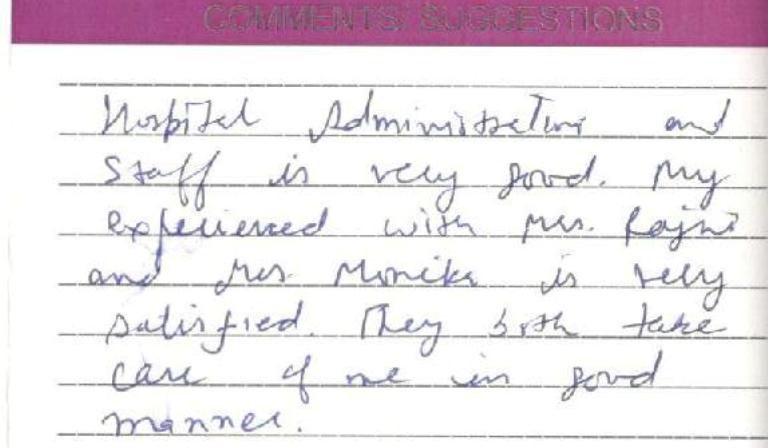
Hospital administrator and staff is very good. My experienced with Miss Rajni and Ms. Monica is very satisfied. They both take care of me in good manner.
Nurses and staff is very co-operative and adjustable and caring. Doctors are very caring and concerned and track patients with all smiles. Overall experience is awesome and very good.
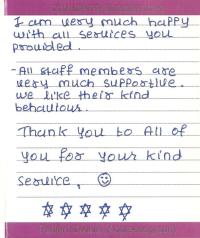
I am very much happy with all services you provided. All staff members are very much supportive. We like their kind behaviour. Thank you to all of you for your kind service.
Just wanna say, big thanks to each and everyone, doctors and their staff. Brought my baby here in a worse condition, but they made us feel so comfortable and such a polite behavior. Treated the kid, like their own child. Thanks each and everyone.
Over all experience in the hospital before, during and after delivery was great. Staff has cooperated very well. Right from nurses to housekeeping behaviour was great and they treated the mother and child like family. Last but not least infact above all “hat’s off to Dr. Shilva” and special thanks to Dr. Krishan and all doctors involved in the process.
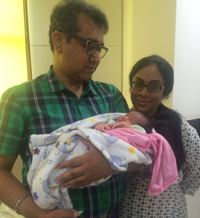
Dear Team Paras Bliss, We don’t have words to express our gratitude but thanks a ton for making one of the most precious moments of our lives so beautiful and memorable.
-Lots of love, Dr. Awnindra, Dr Beena and Omisha”
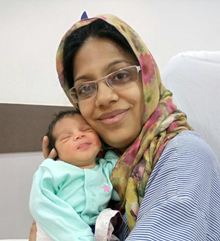
Dear Team Paras Bliss, Thank you for a blissful experience. God Bless.
-Inderjeet, Gaganpreet and Ranbir”
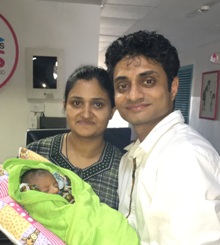
Thanks to Paras Bliss, Panchkula for giving us excellent services. Special Thanks to Dr. Shilva for special care and personal focus. At last Thanks to all nurses staff, housekeeping, canteen services persons and all who were involved directly or indirectly to support us.
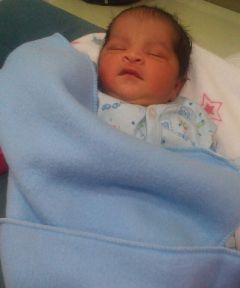
Neat and clean hospital with satisfactory treatment for my patient and baby. I really appreciate team of doctors, anesthetists, support teams and other related people for tackling critical case of my wife. Highly recommended if you are looking for better and high quality services for your baby and wife.
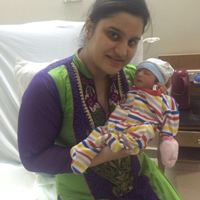
Experience with everyone in the hospital was awesome. I want to convey my best wishes and thanks to everyone involved (Staff), for making it a lifetime experience. Having a baby itself is an experience for life but, the kind of support and care I got from hospital was exceptional!
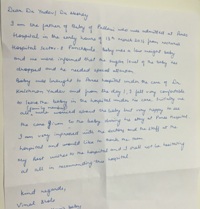
My baby was a low weight & needed special attention so baby was brought to Paras Bliss Hospital under the care of Dr. Krishan Yadav and from the day I felt comfortable to leave the baby in hospital under his care. Initially my family members worried about the baby but very happy to see the care given to baby during his stay at Paras Bliss Hospital.
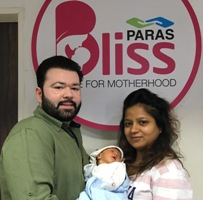
Hospital is clean and staff behaviour is excellent. Nursing staff is highly cooperative. Doctors , Hospital Facilities in the hospital are exceptional.
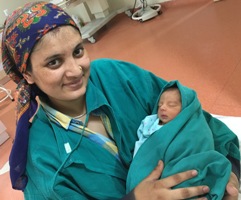
Facilities in the hospital are really good. The hospital had excellent cleanliness. We are grateful to the doctors and staff for the constant support and information given to us time to time. This hospital has fulfilled our expectations to the fullest.
“We are really happy with the care we have received. It was just a home away from home.”
Thank you PARAS for such an exceptional experience and genuine care!
I came here in an emergency. The hospital staff was quiet helpful. All the nurses especially Ms. Ritu, (OT nurse) helped me to settle down. Everything went fine. I am totally satisfied by the services. Glad I choose Paras Bliss. Thanks for the help and support.
We were fortunate to have our baby delivered at Paras Bliss, New Delhi. The entire process was seamless and we met with thorough professionals, who tend to us with utmost warmth and care. The staff went out of the way to make our stay comfortable. The staff was methodical in the approach and I wish them good luck for future.
Really nice & favourable environment in this wonderful institute. The best guidance was provided to me by the labour room staff. The training given during the antenatal class also proved to be of great help. Thanks to all.
My experience with Paras Bliss is fabulous. Everything is so perfect and excellent. The entire staff is so supportive. Doctors are really excellent here. I would like to recommend Paras Bliss to everyone.
Paras Bliss made my journey of motherhood a joyful. I appreciate the care and concern showed by doctors and nurses. I really treasure the overall services that are provided by hospital that has made my experience wonderful.
We like the facility given by the Paras Bliss Hospital and I like all the staff so much but one of the best staff member who was very supporting and very hard working as per my point of view is Vandana as she is very caring lady.
Attendants are very nice and polite. Overall great experience. Thanks for the care.
Doctors and staff are very cooperative and helpful
Outstanding services and hospitality. Dr Manoj Sharma has given a very good medical reference and treatment . We are very satisfied with overall performance.
My Overall experience is nice in Paras. Good Ambiance and good treatment. Yes! I will recommend Paras.
Deworming is periodic prophylactic treatment every 6 months to 1 year along with improvement in sanitation and safe water provision to ensure worms do not hinder with the growth of the child by inadequate availability of nutrients due to worms. Yes, it can be done at home after taking prescription from doctor
First pin point the cause
The most common causes of stomach pain in children are constipation, gas pain ,stomach flu, lactose intolerance ,motion sickness, functional pain , although many others are possible. If your child has pain in his stomach that doesn’t seem to go away or is getting worse, call his doctor. It’s always better to err on the side of caution.
For a baby, breast milk is the best. It has all the necessary vitamins and minerals. Infant formulas are available for babies whose mothers are not able or decide not to breastfeed. Infants usually start eating solid foods between 4 and 6 months of age. Check with your health care provider for the best time for your baby to start. It is better you introduce one new food at a time as it’ll help you rule out any food your child is allergic to.
Most babies take their first steps sometime between 9 and 12 months and are walking well by the time they’re 14 or 15 months old. Don’t worry if your child takes a little longer, though. Some perfectly normal children don’t walk until they’re 16 or 17 months old. During their first year, your baby is busy eveloping coordination and muscle strength in every part of their body. They’ll learn to sit, roll over and crawl before moving on to pulling up and standing at about 9 months.
It’s a very uncomfortable and painful time for your baby, so the same requires your patience and love along with following remedies
It is more common in sensitive children and may occur due to the frustration of not being able
to express a feeling or perform something beyond their skills and abilities for the age. Some tips to avoid
cranky behavior:
There’s no fixed age at which children are ready to start learning how to use the potty, but some develop the necessary physical and cognitive skills between 18 – 36 months of age. Before 12 months of age, children can’t control their bladder or bowel movements, and some toddlers who show many signs of readiness still are physically unable to control elimination. Timing is key to successful potty training. Before you begin, make sure your child is ready eg shows interest in potty ,follows directions, tells if he needs to pee/poo, stays dry longer, has coordination, can sit still for some time, dislikes feeling of dirty diaper and shows independence