
In most cases, there are no obvious signs of infertility. Intercourse, erections and ejaculation will usually happen without difficulty. The quantity and appearance of the ejaculated semen generally appears normal to the naked eye. Medical tests are needed to find out if a man is infertile.
There are few medicines that are recommended for the treatment of infertility. Clomiphene is given as it stimulates your ovaries to release eggs. Metformin is used to treat polycystic ovary syndrome. New drugs containing myo-Inositol and acetyl cysteine have been found beneficial in correcting the underlying physiology of PCOD. However self medication is a not recommended. It is best to consult a specialist and discuss your situation.
Many OB/GYNs received just a few weeks of infertility training during residency. Unless their medical practice is fully focused on fertility issues, a fertility specialist may be the most qualified doctor to help you overcome infertility and finally get pregnant. It is better to go for treatment with fertility expert. A fertility specialist diagnoses and treats problems better related to infertility. A fertility specialist can guide you in selecting the fertility treatment procedure that may help you carry the baby to term.
Yes infertility treatment includes injections and surgery. Injections are required for COH in ART(IUI and IVF). Gonadotrophins are most commonly used injections. Diagnostic laparoscopy is required in woman with unexplained infertility to identify any finding of endometriosis. It is best to consult a fertility expert who shall advice you your treatment plan. Apprehensions and fears may be associated with infertility treatment, however it is important to have the support of your family in your road ahead to motherhood.
IVF is performed when there is problem with female reproductive system to conceive. The procedure involves collection of good sperm and ova from men and women, combining the ova and sperm outside and finally inserting into other female. The basic elements of the procedure involves ovaries stimulation to release several eggs, removal of eggs from ovary, in-vitro fertilization of egg and sperm, and then placement of 2days old embryo into the uterus.
Treatment of IVF includes down regulation using:
Artificial Insemination is a procedure used to treat infertility that involves direct insertion of semen into a woman’s womb. Commonly used method of artificial insemination includes IUI (Intrauterine Insemination) and it has the best success rate. Other types of artificial insemination include:
IUI is referred as Intrauterine Insemination. It is usually performed when there is problem with men who have weaker sperm or woman is suffering from unexplained infertility. The procedure involves insertion of motile sperm into the woman’s uterus. Basic elements of IUI include collection of male sperm, cleaning for good sperm and directly inserting into the women’s cervix. IUI concerned women must consider intrauterine insemination to conceive. It has been recommended that patients with unexplained infertility should undergo 3 to 6 cycles of IUI before therapy is changed or discontinued.
IVF is performed when there is problem with female reproductive system to conceive. The procedure involves collection of good sperm and ova from men and women, combining the ova and sperm outside and finally inserting into other female. The basic elements of the procedure involves ovaries stimulation to release several eggs, removal of eggs from ovary, in-vitro fertilization of egg and sperm, and then placement of 2days old embryo into the uterus.
Some fertility problems can be more easily treated than others. It’s important to understand that even if you are able to get pregnant, no treatment can guarantee a healthy baby. On the other hand, scientists in this field have made many advances that have helped millions of couples have babies. The success of treatment of infertility depends on the underlying cause of the problem, woman’s age, history of previous pregnancies and how long she has had infertility issues.
Both women and men can have problems that cause infertility. About 30% of infertility cases are caused by women’s problems. Another 30% of infertility problems are due to problem in male partner. The other cases are caused by a mixture of male and female problems or by unknown problems.
Causes of infertility in female:
Infertility refers to an inability to conceive after having regular unprotected sex for a period of one year. Approximately 85 to 90 % of young and healthy couples conceive with in 1 year. Infertility therefore affects 10 to 15 % of couples. This is a reason for concern for women who have being to conceive. The issues for infertility may be hormonal and can be associated with the man or the woman. It is important that couples opting to plan families refer to fertility consultants to discuss their issues.
Has excellent experience and home like stay. Very cooperative staff nurses. Everyone including doctors, sisters & housekeeping staff provides their precious services. Unforgettable moments of my life. Special thanks to Dr. Ruchi, Dr. Sonia, Kritika, Rekha, Pooja & Monica. Thanks for giving Gem of my life.
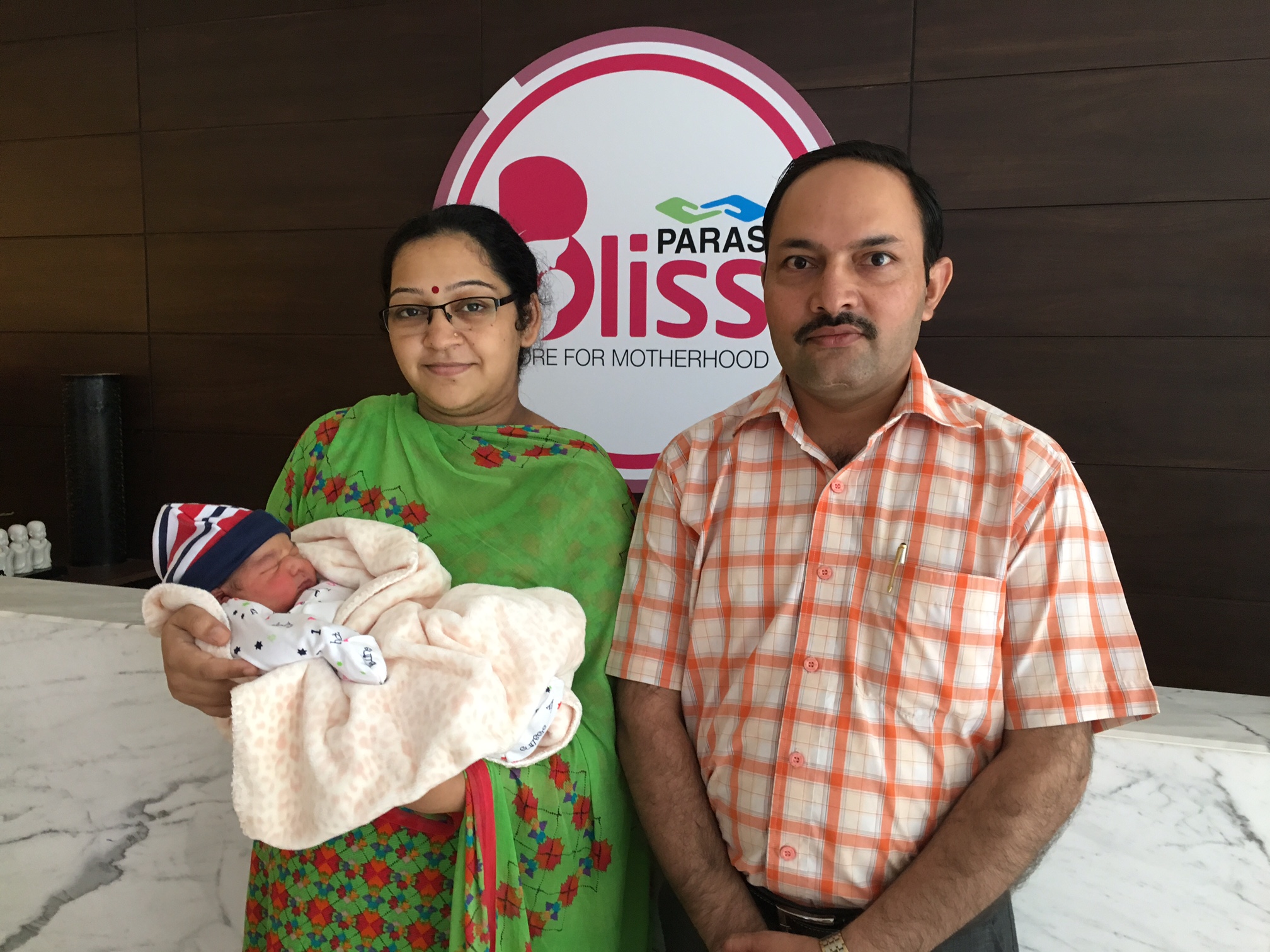
I am very impressed with all the facilities given by the hospital. All the doctors, nursing staff and housekeeping is also good. I would recommend this to my other family members.
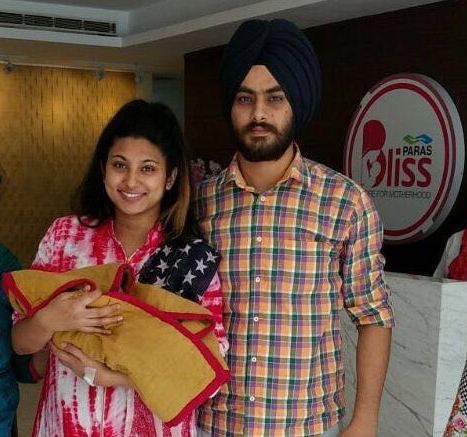
Overall I am pleased with the services. Appreciate the efforts and dedication of overall staff. Would like to highlight certain names below for their exceptional services towards the patient, relatives and the infant.
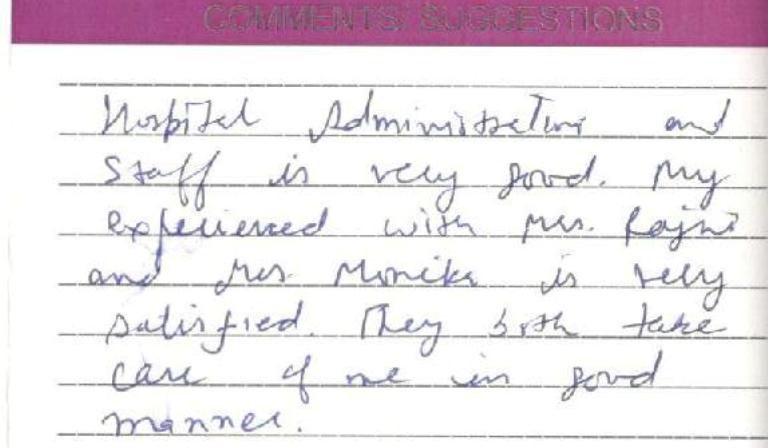
Hospital administrator and staff is very good. My experienced with Miss Rajni and Ms. Monica is very satisfied. They both take care of me in good manner.
Nurses and staff is very co-operative and adjustable and caring. Doctors are very caring and concerned and track patients with all smiles. Overall experience is awesome and very good.

I am very much happy with all services you provided. All staff members are very much supportive. We like their kind behaviour. Thank you to all of you for your kind service.
Just wanna say, big thanks to each and everyone, doctors and their staff. Brought my baby here in a worse condition, but they made us feel so comfortable and such a polite behavior. Treated the kid, like their own child. Thanks each and everyone.
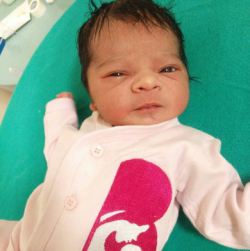
Over all experience in the hospital before, during and after delivery was great. Staff has cooperated very well. Right from nurses to housekeeping behaviour was great and they treated the mother and child like family. Last but not least infact above all “hat’s off to Dr. Shilva” and special thanks to Dr. Krishan and all doctors involved in the process.
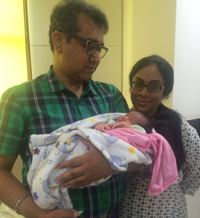
Dear Team Paras Bliss, We don’t have words to express our gratitude but thanks a ton for making one of the most precious moments of our lives so beautiful and memorable.
-Lots of love, Dr. Awnindra, Dr Beena and Omisha”
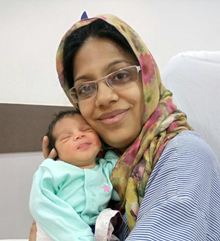
Dear Team Paras Bliss, Thank you for a blissful experience. God Bless.
-Inderjeet, Gaganpreet and Ranbir”
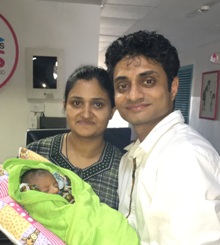
Thanks to Paras Bliss, Panchkula for giving us excellent services. Special Thanks to Dr. Shilva for special care and personal focus. At last Thanks to all nurses staff, housekeeping, canteen services persons and all who were involved directly or indirectly to support us.
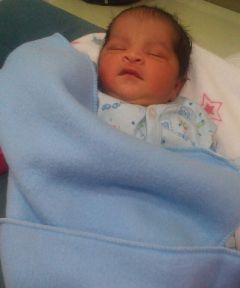
Neat and clean hospital with satisfactory treatment for my patient and baby. I really appreciate team of doctors, anesthetists, support teams and other related people for tackling critical case of my wife. Highly recommended if you are looking for better and high quality services for your baby and wife.
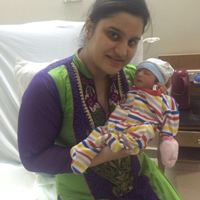
Experience with everyone in the hospital was awesome. I want to convey my best wishes and thanks to everyone involved (Staff), for making it a lifetime experience. Having a baby itself is an experience for life but, the kind of support and care I got from hospital was exceptional!
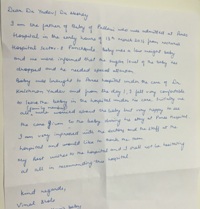
My baby was a low weight & needed special attention so baby was brought to Paras Bliss Hospital under the care of Dr. Krishan Yadav and from the day I felt comfortable to leave the baby in hospital under his care. Initially my family members worried about the baby but very happy to see the care given to baby during his stay at Paras Bliss Hospital.
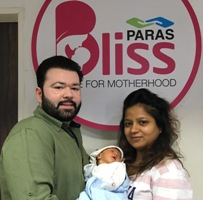
Hospital is clean and staff behaviour is excellent. Nursing staff is highly cooperative. Doctors , Hospital Facilities in the hospital are exceptional.
Facilities in the hospital are really good. The hospital had excellent cleanliness. We are grateful to the doctors and staff for the constant support and information given to us time to time. This hospital has fulfilled our expectations to the fullest.
“We are really happy with the care we have received. It was just a home away from home.”
Thank you PARAS for such an exceptional experience and genuine care!
I came here in an emergency. The hospital staff was quiet helpful. All the nurses especially Ms. Ritu, (OT nurse) helped me to settle down. Everything went fine. I am totally satisfied by the services. Glad I choose Paras Bliss. Thanks for the help and support.
We were fortunate to have our baby delivered at Paras Bliss, New Delhi. The entire process was seamless and we met with thorough professionals, who tend to us with utmost warmth and care. The staff went out of the way to make our stay comfortable. The staff was methodical in the approach and I wish them good luck for future.
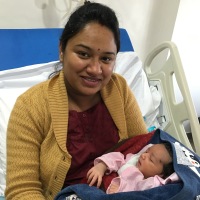
Really nice & favourable environment in this wonderful institute. The best guidance was provided to me by the labour room staff. The training given during the antenatal class also proved to be of great help. Thanks to all.
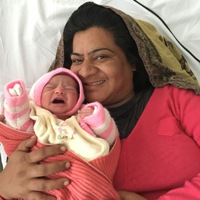
My experience with Paras Bliss is fabulous. Everything is so perfect and excellent. The entire staff is so supportive. Doctors are really excellent here. I would like to recommend Paras Bliss to everyone.
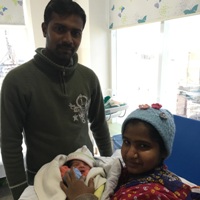
Paras Bliss made my journey of motherhood a joyful. I appreciate the care and concern showed by doctors and nurses. I really treasure the overall services that are provided by hospital that has made my experience wonderful.

We like the facility given by the Paras Bliss Hospital and I like all the staff so much but one of the best staff member who was very supporting and very hard working as per my point of view is Vandana as she is very caring lady.
Doctors and staff are very cooperative and helpful
Outstanding services and hospitality. Dr Manoj Sharma has given a very good medical reference and treatment . We are very satisfied with overall performance.