The right food, balanced diet and vitamins and minerals are important at every age. Paras Bliss provides comprehensive dietetics and nutrition care. The team of nutrition experts provides clinical and counseling support for pediatric nutrition, weight loss, pregnancy care, menopausal care and old age. Guidance and counseling is well supported by diet plans and charts to help you plan your meals. The calorie counter and intake metre guidance is also given to ensure that you opt for healthy and nutritious food instead of processed food products.
Paras Bliss provides customized personalized diet plans for you and your child to address issues such as – weight gain, weight loss, malnutrition, childhood and morbid obesity. The nutrition experts are well supported by a team of rehabilitation physiotherapy experts that ensure that along with diet, mobility also assists your health.
Make an AppointmentParas Bliss has nutrition experts that provide specialized solutions to every age group. The well developed clinically approved programs and protocols help address major nutrition and weight issues.
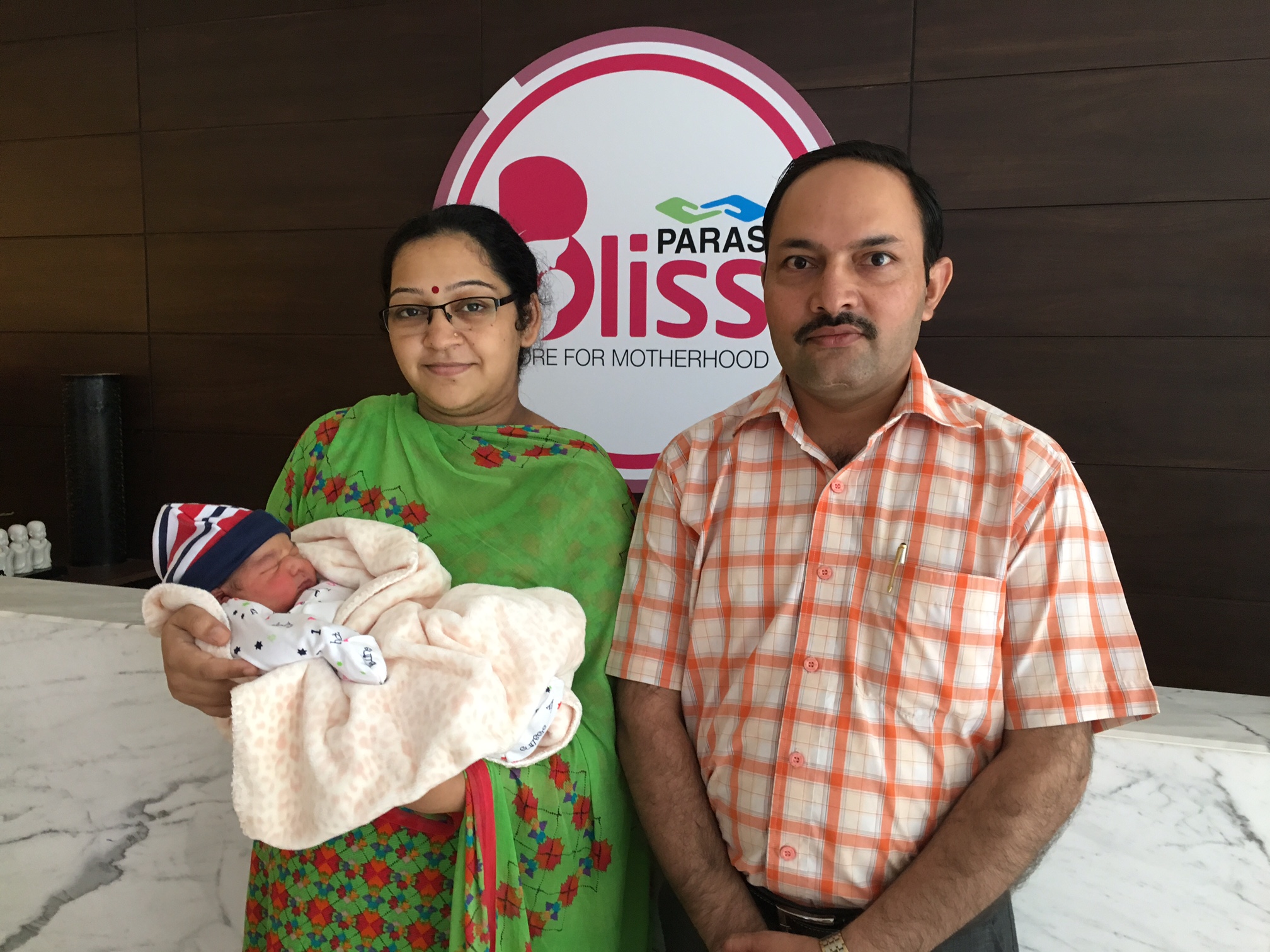

I am very impressed with all the facilities given by the hospital. All the doctors, nursing staff and housekeeping is also good. I would recommend this to my other family members.


Your hospital is very nice and doctors are careful. Sisters are very punctual and treat patients as in family atmosphere. I am very much satisfied with the services of this hospital.
Attendants are very nice and polite. Overall great experience. Thanks for the care.

My Overall experience is nice in Paras. Good Ambience and good treatment. Yes! I will recommend Paras
Outstanding services and hospitality. Dr Manoj Sharma has given a very good medical reference and treatment . We are very satisfied with overall performance.
Doctors and staff are very cooperative and helpful.
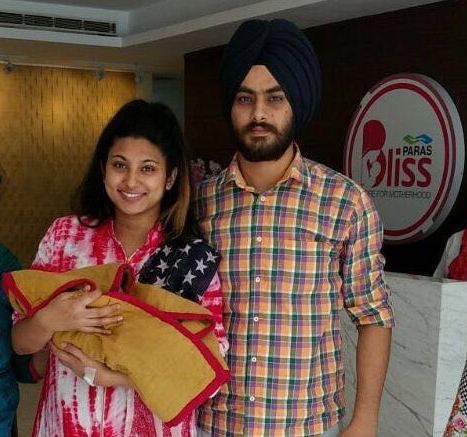
Overall I am pleased with the services. Appreciate the efforts and dedication of overall staff. Would like to highlight certain names below for their exceptional services towards the patient, relatives and the infant.

The pregnant body goes through a number of changes during pregnancy. The changing hormones and the body changes also start to affect the skin. However an expecting mother can retain her supple clear skin by following good ante natal guidance. When you start experiencing any changes in the skin, don’t get alarmed and hassled. Talk to the doctor to discuss the same.
Conditions in Pregnancy that can cause Skin Problems:
The Remedy to Retain a Clear Skin:
You can resort to good moisturization of your body as soon as pregnancy is diagnosed. It includes using coconut or olive oil or any other good moisturizer (SPF 15 or more in sun) liberally on towel dried skin after a bath. It will increase the suppleness of the body and prevent stretch marks.
Always consult your doctor if any new skin condition e.g. eruptions, blisters, redness, itching develops, as it can be harmful for you and your baby. Itching over body though very innocuous can be dangerous.
Is Pregnancy Glow a Reality?
For many the same is a reality and for some it is medical fact. As a lot of water is retained in body in pregnancy, the skin is well hydrated and all flaws disappear. The hormones cause your blood volume to increase and give a pink radiance to your face. You can also feel warm and flushed which is normal and due to pregnancy. You have to keep yourself well hydrated and exercise which will actually help to ease out abnormal water retention.
However for every mother no amount of marks or bodily changes equals to the bliss that your bundle of joy will give to you.
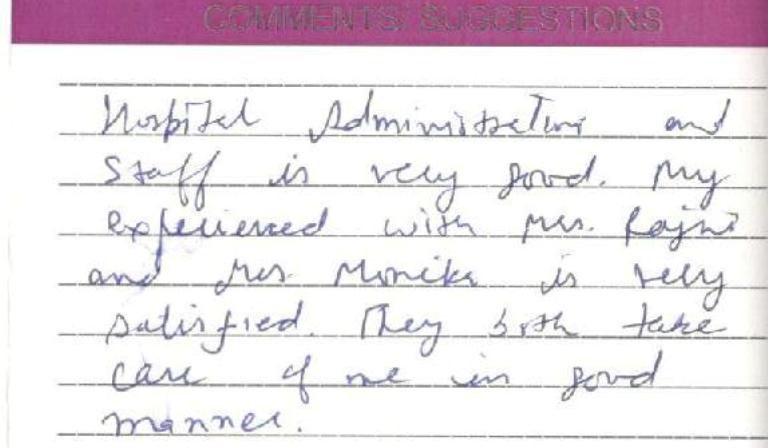
Hospital administrator and staff is very good. My experienced with Miss Rajni and Ms. Monica is very satisfied. They both take care of me in good manner.
Nurses and staff is very co-operative and adjustable and caring. Doctors are very caring and concerned and track patients with all smiles. Overall experience is awesome and very good.
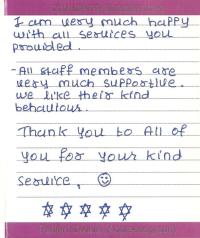
I am very much happy with all services you provided. All staff members are very much supportive. We like their kind behaviour. Thank you to all of you for your kind service.
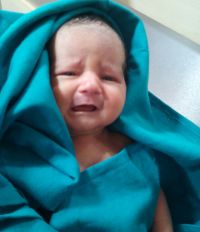
Just wanna say, big thanks to each and everyone, doctors and their staff. Brought my baby here in a worse condition, but they made us feel so comfortable and such a polite behavior. Treated the kid, like their own child. Thanks each and everyone.
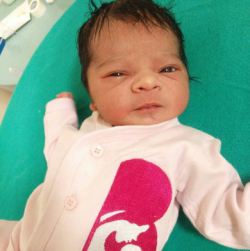
Over all experience in the hospital before, during and after delivery was great. Staff has cooperated very well. Right from nurses to housekeeping behaviour was great and they treated the mother and child like family. Last but not least infact above all “hat’s off to Dr. Shilva” and special thanks to Dr. Krishan and all doctors involved in the process.
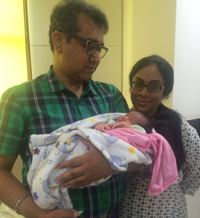
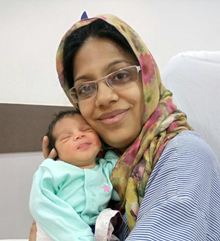
Dear Team Paras Bliss, We don’t have words to express our gratitude but thanks a ton for making one of the most precious moments of our lives so beautiful and memorable.
-Lots of love, Dr. Awnindra, Dr Beena and Omisha”
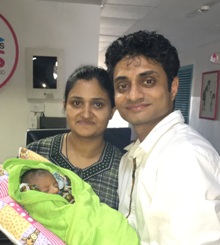
Dear Team Paras Bliss, Thank you for a blissful experience. God Bless.
-Inderjeet, Gaganpreet and Ranbir”
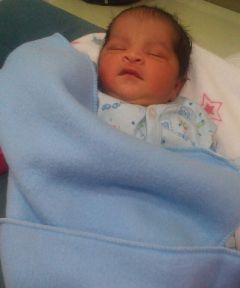
Thanks to Paras Bliss, Panchkula for giving us excellent services. Special Thanks to Dr. Shilva for special care and personal focus. At last Thanks to all nurses staff, housekeeping, canteen services persons and all who were involved directly or indirectly to support us.
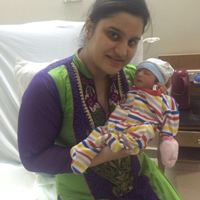
Neat and clean hospital with satisfactory treatment for my patient and baby. I really appreciate team of doctors, anesthetists, support teams and other related people for tackling critical case of my wife. Highly recommended if you are looking for better and high quality services for your baby and wife.
Experience with everyone in the hospital was awesome. I want to convey my best wishes and thanks to everyone involved (Staff), for making it a lifetime experience. Having a baby itself is an experience for life but, the kind of support and care I got from hospital was exceptional!
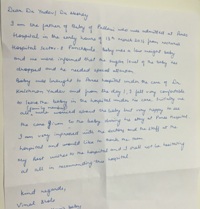
My baby was a low weight & needed special attention so baby was brought to Paras Bliss Hospital under the care of Dr. Krishan Yadav and from the day I felt comfortable to leave the baby in hospital under his care. Initially my family members worried about the baby but very happy to see the care given to baby during his stay at Paras Bliss Hospital.
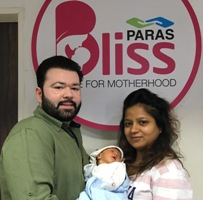
Hospital is clean and staff behaviour is excellent. Nursing staff is highly cooperative. Doctors , Hospital Facilities in the hospital are exceptional.
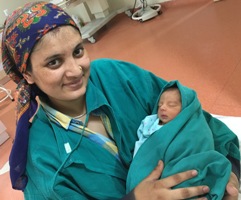
Facilities in the hospital are really good. The hospital had excellent cleanliness. We are grateful to the doctors and staff for the constant support and information given to us time to time. This hospital has fulfilled our expectations to the fullest.
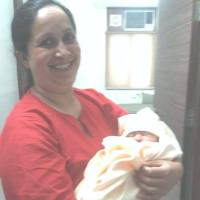
“We are really happy with the care we have received. It was just a home away from home.”
Thank you PARAS for such an exceptional experience and genuine care!
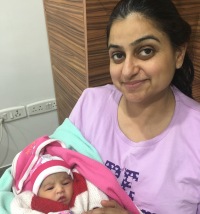
I came here in an emergency. The hospital staff was quiet helpful. All the nurses especially Ms. Ritu, (OT nurse) helped me to settle down. Everything went fine. I am totally satisfied by the services. Glad I choose Paras Bliss. Thanks for the help and support.
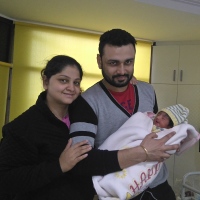
We were fortunate to have our baby delivered at Paras Bliss, New Delhi. The entire process was seamless and we met with thorough professionals, who tend to us with utmost warmth and care. The staff went out of the way to make our stay comfortable. The staff was methodical in the approach and I wish them good luck for future.
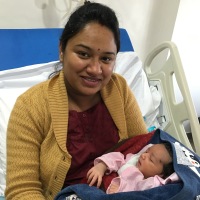
Really nice & favourable environment in this wonderful institute. The best guidance was provided to me by the labour room staff. The training given during the antenatal class also proved to be of great help. Thanks to all.
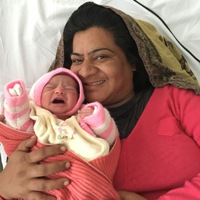
My experience with Paras Bliss is fabulous. Everything is so perfect and excellent. The entire staff is so supportive. Doctors are really excellent here. I would like to recommend Paras Bliss to everyone.
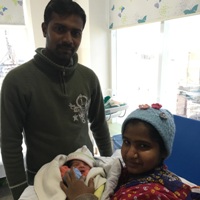
Paras Bliss made my journey of motherhood a joyful. I appreciate the care and concern showed by doctors and nurses. I really treasure the overall services that are provided by hospital that has made my experience wonderful.
We like the facility given by the Paras Bliss Hospital and I like all the staff so much but one of the best staff member who was very supporting and very hard working as per my point of view is Vandana as she is very caring lady.
Attendants are very nice and polite. Overall great experience. Thanks for the care.
Doctors and staff are very cooperative and helpful
Outstanding services and hospitality. Dr Manoj Sharma has given a very good medical reference and treatment . We are very satisfied with overall performance.
My Overall experience is nice in Paras. Good Ambiance and good treatment. Yes! I will recommend Paras.
The above mentioned foods are required to be taken more post pregnancy at the time of lactation or breastfeeding the child. During lactation the requirement of high calorie diet of additional 550 kcal & additional 25 g of protein/ day. To meet the additional requirement one needs to add the above calorie/ nutrient dense foods which also facilitate in increased supply of breast milk which is the sole source of nourishment for many infants for upto 6 months or a year for promotion of infant growth & development. Therefore, the relationship between maternal nutritional status and lactation performance is important.
During the last 3 months your body needs extra 200 calories a day. So you need to increase the number of meals & have small frequent meals comprising of whole wheat, brown rice, fruits & vegs as they have more fibre & high satiety value . Avoid maida & refined cereals like suji, white bread, white rice. Also try and have a light snack before bed time like either a toast with peanut butter; fresh fruits & vegs; hard boiled eggs; cottage cheese; dry fruits; banana; milk with cereal ; few crackers with cheese.
During pregnancy, it is very difficult to control those cravings for unhealthy foods. But researchers have found that mothers who eat junk foods while pregnant are more likely to have children with mental health problems. So moderation is the key. Everything is okay in moderation so you don’t beat up on yourself. Stock your fridge & home with healthy snacks so whenever you get these cravings eat it before you really get hungry for junk food & then you can take a pieces or two of pizza or bite into a burger or few fries to overcome your cravings.
Yes, since milk is the primary source of calcium & increased intake of calcium is recommended during pregnancy. Milk is required not only for the calcification of foetal bones and teeth but also for protection of calcium resources of the mother to meet high demands during lactation.
Calcium requirement during pregnancy is increased to 100 mg / day. Increased intake of calcium by the mother is highly essential, not only for the calcification of foetal bones and teeth but also for protection of calcium resources of the mother to meet high demands during lactation. Dairy products are primary source of calcium like milk, cheese, yogurt, paneer. Also green leafy vegs are also sources of calcium.
The increased need for items like milk since no other food provides calcium, phosphorous and riboflavin. Besides milk, protein is found in fish or poultry, legumes , pulses, peanuts & other nuts like almonds, walnuts etc. For Vitamin C, citrus fruits like lemon, orange, amla etc to be included in the diet. Iron allowances can be met by enriching the diet with extra supply of whole grain cereals, green leafy vegs, dried fruits & jaggery. Besides above include banana, eggs, poha, upma ( oats), green moong dal chila, rasam, sour foods etc.
Avoid foods which contain caffeine like coffee, tea & chocolates. Cut down on fluids at night as it will reduce the number of visits to the bathroom. Also avoid spices like chilli & acidic foods like tomatoes at night to avoid heartburn & indigestion. Also avoid large meals and late dinner, as it may cause uneasiness. Give yourself 2-3 hours to digest your food before you retire to bed. If you suffer for nausea, take a light & bland snack before bed time like a cracker.
The normal protein requirement for an adult woman is 50 g/ day. The requirement increases during pregnancy by 15g / day. So there is need to maintain a high protein intake (65g/ day). This can be met by incorporating milk & milk products like paneer, curd, butter milk, cheese etc. Increase intake of fish or poultry, legumes , pulses, peanuts & other nuts like almonds, walnuts & oil seeds etc.
The increased need for essential nutrients needs to be translated into the diet. The item of first importance is milk since no other food provides calcium, phosphorous and riboflavin. Besides milk, protein is found in fish or poultry, legumes , pulses, peanuts & other nuts like almonds, walnuts etc. For Vitamin C , citrus fruits like lemon, orange, amla etc to be included in the diet. Iron allowances can be met by enriching the diet with extra supply of whole grain cereals, green leafy vegs, dried fruits & jaggery. No major foods to be avoided except processed & highly preservative foods like MSG etc. Also raw eggs or uncooked poultry , fish or organ meats to be avoided.
The following are the details of the nutrients that are required during pregnancy.
Nutrient: Pregnant Woman
Calcium (mg / day): 1000
Iron (mg /day): 38
Vitamin A ( mcg / day): 600
B- carotene (mcg/day): 2400
Vitamin C ( mg / day): 40
Folic acid ( mcg/day): 400
Zinc (mcg /day): 15.5
Vitamin B12 ( mcg/day): 1